Lion's Mane vs Cordyceps: Which Mushroom Is Right for You?
Both are popular functional mushrooms, but they're aimed at different things: lion's mane is the cognitive and nerve-support mushroom, while cordyceps is the energy, stamina, and exercise one. Here's how they compare — and why you can take both.
By The Lion's Mane Reviews Desk · 8 min · Updated 2026-06-14
The quick answer: choose lion's mane if you're interested in cognitive and nerve support, and choose cordyceps if you're after energy, stamina, and exercise performance. They're both functional mushrooms, but they occupy different lanes, so the right pick depends on what you actually want.
Lion's mane (Hericium erinaceus) is the brain-and-nerves mushroom. Its signature compounds — hericenones and erinacines — are studied in the lab and in animals for stimulating Nerve Growth Factor (NGF). That's promising preclinical science, not a proven human outcome, but it's why lion's mane is the one people reach for when thinking about focus and memory.
Cordyceps is the energy-and-endurance mushroom. It has a long traditional reputation for vitality and stamina, and a body of athletic-performance research has looked at whether it supports oxygen utilization and exercise capacity — with mixed but interesting results. This guide compares the two honestly, covers who should pick which, and explains why many blends combine them.
The short version
- Lion's mane = cognitive/nerve support; cordyceps = energy, stamina, and exercise performance. Different goals, different mushroom.
- Lion's mane's signature compounds (hericenones, erinacines) are studied for NGF — but in lab and animal research, not proven human outcomes.
- Cordyceps is traditionally used for vitality and has been studied for exercise capacity and oxygen utilization, with mixed results.
- Lion's mane is caffeine-free; many cordyceps products are too, though both show up in mushroom coffees alongside caffeine.
- You can absolutely take both — many functional-mushroom blends deliberately combine them, pairing 'focus' and 'energy' angles.
- Neither is a medicine. These are supplements with early evidence, not treatments for any condition.
| Lion's Mane | Cordyceps | |
|---|---|---|
| Best for | Cognitive & nerve support (focus, memory interest) | Energy, stamina & exercise performance |
| Key compounds | Hericenones (fruiting body), erinacines (mycelium) | Cordycepin, polysaccharides |
| Studied mechanism | Stimulating Nerve Growth Factor (preclinical) | Oxygen utilization / exercise capacity (mixed human data) |
| Evidence base | Early; most NGF work is lab/animal (Mori 2009 = main human trial) | Long traditional use; some athletic-performance studies, mixed results |
| Typical format | Capsules, gummies, coffee, powder, tinctures | Capsules, powders, pre-workout & coffee blends |
| Caffeine | Caffeine-free (unless in a coffee blend) | Caffeine-free (unless in a coffee/pre-workout blend) |
| Take it for | A steady daily 'thinking' routine over weeks | Energy and workout support, often around activity |
Lion's mane vs cordyceps at a glance. Both are functional mushrooms with early, largely preclinical or mixed evidence — the difference is the angle each is aimed at.
Lion's mane: the cognitive and nerve mushroom
Lion's mane is the functional mushroom people associate with the brain. Its two signature compound families are hericenones, which concentrate in the fruiting body (the actual mushroom), and erinacines, which concentrate in the mycelium. Both have been studied — in laboratory and animal research — for their ability to stimulate Nerve Growth Factor, a protein involved in the growth and maintenance of nerve cells.
Practically, lion's mane is caffeine-free, taken daily, and judged over weeks rather than in a single dose. If that's the angle you care about, see our best lion's mane roundup.
Cordyceps: the energy and endurance mushroom
Cordyceps sits in a different lane entirely. It has a long traditional reputation for vitality, stamina, and physical performance, and modern interest has focused on whether it supports oxygen utilization and exercise capacity. Its signature compounds include cordycepin and polysaccharides.
The athletic-performance research is the interesting part — and the honest part. Some studies have looked at cordyceps supplementation and measures of exercise performance or oxygen use, with mixed results: a few suggest modest benefits, others find little, and the picture isn't settled. Note also that most modern cordyceps supplements are a cultivated species (often labeled Cordyceps militaris or a cultured product) rather than the rare wild form.
How to choose between them
The decision is mostly about your goal:
Pick lion's mane if your interest is cognitive — you're curious about focus and memory support, you want a steady daily routine, and you're comfortable with the fact that the strongest mechanism evidence is preclinical. It's caffeine-free, so it won't affect your energy or sleep directly.
Pick cordyceps if your interest is physical — energy, stamina, exercise capacity, or a pre-workout-style add — and you're drawn to its traditional vitality reputation and the (mixed) performance research.
If you genuinely can't decide, that's a hint that you might want both — which is entirely reasonable.
Can you take both? Yes — and many products do
Lion's mane and cordyceps are not competitors you have to choose between. They target different things — focus vs energy — so they pair naturally, and a large share of functional-mushroom products deliberately combine them. Many mushroom coffees and multi-mushroom blends include both, often alongside others like reishi or chaga.
As with any supplement, start low, be consistent, and check with a clinician first if you're pregnant, breastfeeding, on medication, or managing a condition. These statements have not been evaluated by the FDA, and neither mushroom is intended to diagnose, treat, cure, or prevent any disease.
Key terms
- Hericenones & erinacines
- Lion's mane's signature compounds — hericenones in the fruiting body, erinacines in the mycelium — studied in lab and animal research for stimulating Nerve Growth Factor.
- Cordycepin
- A notable compound found in cordyceps, often cited in discussions of its traditional vitality and stamina associations.
- Nerve Growth Factor (NGF)
- A protein involved in the growth and maintenance of nerve cells. Lion's mane compounds are studied for stimulating it — preclinically, not as a proven human effect.
- Functional mushroom
- An edible or medicinal mushroom taken for purposes beyond basic nutrition. Lion's mane and cordyceps are both functional mushrooms, with early or mixed evidence.
Our top-rated lion's mane
Whatever you decide, these are the lion's mane picks our reviews keep ranking on top. Live price check on each.
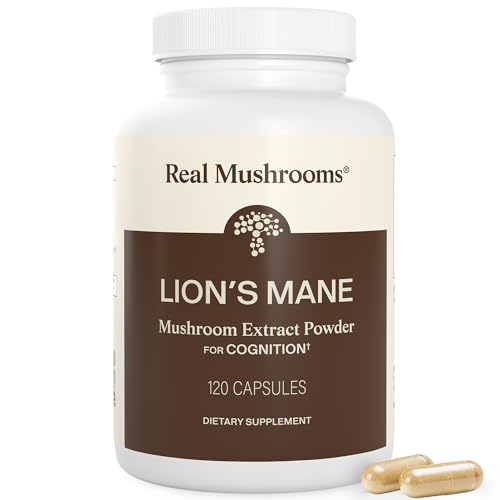


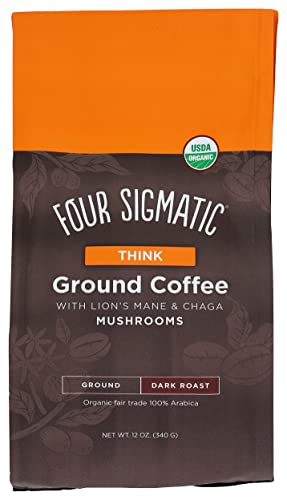

As an Amazon Associate we may earn from qualifying purchases, at no cost to you. 21+.
Questions, answered
What's the difference between lion's mane and cordyceps?
Lion's mane is the cognitive and nerve-support mushroom — its hericenones and erinacines are studied (preclinically) for stimulating Nerve Growth Factor. Cordyceps is the energy and endurance mushroom, traditionally used for vitality and studied for exercise capacity and oxygen utilization, with mixed results. Different goals, different mushroom.
Should I take lion's mane or cordyceps?
Choose lion's mane if your interest is focus and memory and you want a steady daily routine. Choose cordyceps if your interest is energy, stamina, or exercise support. If you want both angles, you don't have to pick — many blends combine them.
Can you take lion's mane and cordyceps together?
Yes. They target different things — focus versus energy — so they pair well, and many functional-mushroom blends and mushroom coffees deliberately combine them. Favor fruiting-body sourcing and third-party testing, and note that a blend often delivers a smaller dose of each mushroom than a single-ingredient product. Check with a clinician first if you're pregnant, breastfeeding, on medication, or managing a condition.
Is cordyceps better than lion's mane for energy?
For energy and stamina specifically, cordyceps is the one that's traditionally used and studied — lion's mane is caffeine-free and aimed at cognitive support rather than energy. That said, cordyceps' exercise-performance evidence is mixed rather than conclusive, so it's not a guaranteed energy booster.
Does lion's mane or cordyceps have caffeine?
Neither mushroom contains caffeine on its own. You'll only get caffeine if it's in a blended product like a mushroom coffee or a pre-workout, where the caffeine comes from added coffee or other ingredients, not the mushroom.
Filed under Comparison
Part of Lion's Mane vs Everything
Ready to try one? Start with our top picks
Whatever you decide, these are the lion's mane picks our reviews keep ranking on top. Live price check on each.
As an Amazon Associate we may earn from qualifying purchases, at no cost to you. 21+.
Keep reading
The Best Lion's Mane You Can Buy Right Now
The verified fruiting-body picks across capsules, gummies, coffee, and powders.
Lion's Mane for Focus & Memory
The honest evidence for the cognitive angle, plus products worth trying.
Lion's Mane Dosage: How Much to Take
How to dose by format and why beta-glucans matter more than milligrams.
Lion's Mane Side Effects: What to Know
Tolerability, the allergy caution, and who should check with a clinician.