Lifeboost vs Four Sigmatic: Coffee-First or Mushroom-First?
Two full-caffeine ground coffees with lion's mane, built from opposite directions. Lifeboost is a specialty low-acid coffee that added mushrooms; Four Sigmatic is a mushroom company that makes coffee. Here is exactly how they differ, and which buyer each one suits.
By The Lion's Mane Reviews Desk · 8 min · Updated 2026-07-20
The quick answer: choose Lifeboost if the coffee matters most, you want a single-origin, low-acid cup that happens to carry lion's mane and chaga, and you will pay for bean quality. Choose Four Sigmatic if the mushrooms matter most, you want stated fruiting-body sourcing and third-party testing at nearly half the price. Both are real ground coffees you brew yourself with full caffeine; the difference is which half of 'mushroom coffee' each brand leads with.
Lifeboost is a specialty coffee company first. Its Cognition line takes the brand's signature low-acid, single-origin, mycotoxin-tested coffee and folds in lion's mane and chaga, and it comes in classic ground, french vanilla, and even a decaf, which is genuinely rare in this category. At around $29.99 a bag it is priced like the specialty coffee it is.
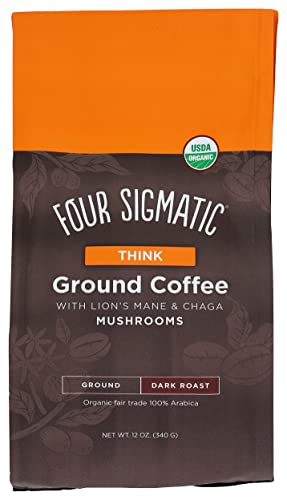
Four Sigmatic effectively invented the category from the other direction: a functional-mushroom company that makes coffee good enough to drink daily. Its Focus ground coffee pairs a dark-roast arabica with lion's mane fruiting-body extract and chaga, third-party tested, at around $16.99 a bag. This guide compares them on the six things that actually matter and tells you which cup belongs on your counter.
The short version
- Lifeboost = coffee-first: single-origin, low-acid, mycotoxin-tested specialty coffee with lion's mane + chaga added. The pick for taste and sensitive stomachs.
- Four Sigmatic = mushroom-first: the category pioneer, with stated fruiting-body lion's mane extract and third-party testing. The pick for mushroom transparency.
- Both are real ground coffees with full caffeine, brewed however you like. Neither is an instant powder.
- Price gap is real: Lifeboost Cognition runs about $30 a bag; Four Sigmatic Focus runs about $17. Four Sigmatic is the clear value.
- Lifeboost's rare advantage: variety. Classic ground, french vanilla, and a decaf, the easiest way to get lion's mane in an evening-safe cup.
- Honest verdict: Four Sigmatic wins on mushroom disclosure per dollar; Lifeboost wins when the coffee itself, or low acidity, is the priority.
| Lifeboost Cognition | Four Sigmatic Focus | |
|---|---|---|
| Philosophy | Coffee-first (specialty bean + mushrooms) | Mushroom-first (functional brand + coffee) |
| Format | Ground coffee (also french vanilla, decaf) | Ground coffee (also instant, Focus Max) |
| Mushrooms | Lion's mane + chaga | Lion's mane (fruiting-body extract) + chaga |
| Coffee pedigree | Single-origin, low-acid, mycotoxin-tested | Organic dark-roast arabica |
| Caffeine | Full (regular) or decaf option | Full; Focus Max is the high-caffeine version |
| Price / 12oz bag | ~$30 | ~$17 |
Lifeboost vs Four Sigmatic at a glance. Same format, opposite philosophies.
Lifeboost: specialty coffee that happens to carry lion's mane
Lifeboost built its name on one promise: coffee that premium-coffee people and sensitive stomachs can agree on. Its beans are single-origin, shade-grown, roasted low-acid, and tested for mycotoxins, and the brand had a loyal following before it ever touched a mushroom. The Cognition line keeps all of that and adds lion's mane and chaga to the roast, so the functional angle rides on top of a genuinely excellent cup rather than compensating for a mediocre one.
The honest caveats: at around $30 a bag it costs nearly double Four Sigmatic, and its mushroom disclosure is thinner than its coffee disclosure. Lifeboost tells you a great deal about the bean (origin, acidity, mycotoxin testing) and less about the mushrooms; the lion's mane and chaga amounts are not the headline the way they are on a mushroom-first label. You are paying for the coffee, and the mushrooms are the bonus.
Four Sigmatic: the mushroom company that makes good coffee
Four Sigmatic comes at the same product from the opposite side. It is a functional-mushroom company first, and it essentially created mushroom coffee as a category. Its Focus ground coffee blends organic dark-roast arabica with lion's mane and chaga, and the mushroom half of the label is where it shines: the lion's mane is a stated fruiting-body extract (the actual mushroom, not grain-grown mycelium), and products are third-party tested for heavy metals and molds. That is the disclosure standard we rank the whole category on.
The trade-offs mirror Lifeboost's. The coffee is good organic arabica, but it is not a single-origin specialty bean and it is not roasted specifically low-acid, so a coffee purist or an acid-sensitive stomach may notice the difference. If you want more kick rather than less, Focus Max adds cordyceps and B12 to a higher-caffeine dark roast for about $20. There is no decaf in the Focus lineup.
How to choose between them
Both are full-caffeine ground coffees with lion's mane and chaga, so the decision comes down to which half of the label you are really buying:
Pick Lifeboost if the coffee is the point. Single-origin, low-acid, mycotoxin-tested beans make it the pick for taste-first buyers and sensitive stomachs, and the french vanilla and decaf variants give it range nobody else matches. It is the better cup; you pay for that.
Pick Four Sigmatic if the mushrooms are the point. Stated fruiting-body lion's mane, third-party testing, and a price near half of Lifeboost's make it the better functional buy and the better value, full stop.
Key terms
- Fruiting body
- The actual mushroom, the part Four Sigmatic states it uses for its lion's mane extract. Contrasts with mycelium grown on grain, which can ship with leftover starch.
- Low-acid coffee
- Coffee grown, processed, and roasted to reduce perceived acidity, Lifeboost's signature. Often chosen by people who find regular coffee harsh on the stomach.
- Mycotoxin testing
- Screening coffee beans for mold-produced compounds. Lifeboost tests its beans; Four Sigmatic third-party tests its products for heavy metals and molds. Both matter in a product combining coffee and mushrooms.
- Single-origin
- Coffee from one farm or region rather than a blend, a specialty-coffee quality marker. Lifeboost's beans are single-origin; Four Sigmatic's are organic arabica blends.
Our top-rated lion's mane
Whatever you decide, these are the lion's mane picks our reviews keep ranking on top. Live price check on each.



As an Amazon Associate we may earn from qualifying purchases, at no cost to you. 21+.
Questions, answered
Is Lifeboost or Four Sigmatic better?
For most mushroom-coffee buyers, Four Sigmatic is the better default: it states fruiting-body lion's mane sourcing, third-party tests its products, and costs around $17 a bag versus Lifeboost's roughly $30. Lifeboost is better when the coffee itself is your priority: its Cognition line is single-origin, low-acid, mycotoxin-tested specialty coffee, and it offers french vanilla and decaf variants Four Sigmatic does not.
What is the difference between Lifeboost Cognition and Four Sigmatic Focus?
Direction of travel. Lifeboost is a specialty coffee company that added lion's mane and chaga to its low-acid, single-origin beans, so the coffee is the star. Four Sigmatic is a mushroom company that built a coffee around a stated fruiting-body lion's mane extract with third-party testing, so the mushrooms are the star. Both are full-caffeine ground coffees with lion's mane and chaga; they differ on bean pedigree, mushroom disclosure, and price.
Is Lifeboost coffee really low-acid?
Low acidity is Lifeboost's core claim and the main reason the brand exists: its beans are single-origin, shade-grown, and roasted to be gentler on the stomach, and the brand tests for mycotoxins. Individual tolerance varies, but stomach comfort is the specific problem Lifeboost is built to solve, which is why we call it the pick for acid-sensitive coffee drinkers in this matchup.
Does either one come in decaf?
Lifeboost does: Cognition Decaf is a true decaf ground coffee with lion's mane and chaga, one of the very few in the category, and the easiest way to get a mushroom coffee cup without caffeine. Four Sigmatic's Focus line is caffeinated only; its Focus Max version actually goes the other way, adding more caffeine plus cordyceps and B12.
How much caffeine do Lifeboost and Four Sigmatic have?
Both brew as full-caffeine coffees, broadly comparable to a regular cup of the same size and brew method, because both are real ground arabica rather than diluted instant powders. The outliers are the variants: Lifeboost Cognition Decaf is the near-zero-caffeine option, and Four Sigmatic Focus Max is the boosted high-caffeine option. Exact milligrams depend on your brew strength.
Are Lifeboost and Four Sigmatic mushroom coffees safe?
Both use edible functional mushrooms (lion's mane and chaga) that are generally well-tolerated in studies, with mild digestive upset the most commonly reported issue. The main caution is mushroom allergy, and anyone pregnant, breastfeeding, on medication, or with a medical condition should check with a clinician first. Both are caffeinated coffees unless you choose the decaf. This is not medical advice; these statements have not been evaluated by the FDA, and these products are not intended to diagnose, treat, cure, or prevent any disease.
Filed under Comparison
Ready to try one? Start with our top picks
Whatever you decide, these are the lion's mane picks our reviews keep ranking on top. Live price check on each.
As an Amazon Associate we may earn from qualifying purchases, at no cost to you. 21+.
Keep reading
Lifeboost Cognition Review (2026)
The full review of the low-acid, coffee-first way to add lion's mane to a real brew.
Four Sigmatic Lion's Mane Review (2026)
The category pioneer reviewed in depth: sourcing, testing, and the full lineup.
The Best Mushroom Coffee (2026), Ranked
The full category ranked on sourcing, caffeine, and taste.
Four Sigmatic vs RYZE: Which Mushroom Coffee Wins?
The ground-vs-instant head-to-head on the mushroom-first side of the aisle.
The Best Lion's Mane Coffee (2026), Ranked
Zoomed in on the lion's mane angle: caffeine level and sourcing.
Fruiting Body vs Mycelium: The Lion's Mane Label Guide
The sourcing distinction behind Four Sigmatic's transparency edge.