Lion's Mane Fruiting Body vs Mycelium: What the Label Actually Means
The single most important thing to check before you buy lion's mane — what fruiting body and mycelium-on-grain really are, why one is usually diluted with starch, and the number on the label that settles it.
By The Lion's Mane Reviews Desk · 9 min · Updated 2026-06-14
Short answer: for most buyers, lion's mane fruiting body is the better choice. The fruiting body is the actual mushroom — the white, cascading part you'd recognize — and it's where the hericenones and beta-glucans concentrate. Most "mycelium" lion's mane, by contrast, is grown on grain (rice or oats) and dried together with that grain, so a large and variable share of the finished powder is starch filler, not mushroom.
There's one real nuance, and it's why this isn't a flat "mycelium is junk" verdict: erinacines — a separate compound class studied in early lab research — concentrate in the mycelium, not the fruiting body. That's why a few premium products deliberately use a pure, grain-free mycelium extract. The thing to avoid is mycelium-on-grain sold as your whole supplement with no beta-glucan number on the label.
This guide explains what each part is, where the key compounds live, how to read a label so you can tell real extract from grain starch, and the beta-glucan benchmarks that separate a strong product from a weak one.
The short version
- Fruiting body = the actual mushroom, where hericenones and beta-glucans concentrate. This is the default to buy.
- Mycelium-on-grain = the root network grown on rice/oats and dried WITH the grain — a large, variable share is starch filler, and independent testing typically finds high alpha-glucan (starch) and low beta-glucan.
- The nuance: erinacines concentrate in the mycelium, so premium products like Oriveda use a separate, PURE (grain-free) mycelium extract to capture them — that is different from cheap mycelium-on-grain.
- Read the label for a stated BETA-GLUCAN percentage. Beware 'total polysaccharides' and a big 'extract ratio' — both can hide grain starch (alpha-glucan).
- Beta-glucan benchmarks for fruiting-body extracts: under ~10% is weak or grain-diluted, 20–25% is a solid honest floor, and 30%+ is excellent.
- Hericenones (fruiting body) and erinacines (mycelium) are studied in PRECLINICAL lab and animal work for nerve growth factor — not proven human outcomes.
| Fruiting body | Mycelium-on-grain | Pure (grain-free) mycelium | |
|---|---|---|---|
| What it is | The actual mushroom (the white 'mane'), extracted | Root network grown on rice/oats, dried WITH the grain | Mycelium grown and separated from its grain substrate |
| Key compounds | Hericenones + beta-glucans | Mostly grain starch; little measured beta-glucan | Erinacines (purpose-grown, then concentrated) |
| Beta-glucans | Commonly 20–30%+ in a real extract | Often low; independent testing finds high alpha-glucan / low beta-glucan | Disclosed per product; chosen for erinacines, not beta-glucan headline |
| Typical use | The default daily supplement for most people | What to avoid as a stand-alone product with no beta-glucan number | Advanced/premium pick, usually paired with fruiting body |
Fruiting body vs mycelium-on-grain vs pure mycelium — the three things a lion's mane label can actually mean. A stated beta-glucan % is the figure to compare.
What is the lion's mane fruiting body?
The fruiting body is the actual mushroom — the part where hericenones and beta-glucans concentrate — and it's what you want as the base of most lion's mane supplements. A real fruiting-body extract commonly tests at 20–30%+ beta-glucans.
When you picture lion's mane (Hericium erinaceus), you're picturing the fruiting body: the white, shaggy, cascading mass that looks like a lion's mane or a frozen waterfall. It's the reproductive structure of the fungus and, biologically, the densest source of the compounds the mushroom is studied for. Two matter most here: beta-glucans, the cell-wall polysaccharides used as the standardized potency marker for medicinal-mushroom extracts, and hericenones, an alcohol-soluble compound class found specifically in the fruiting body.
Hericenones are part of why fruiting body gets attention: in laboratory studies they're among the compounds shown to stimulate nerve growth factor (NGF). That is promising preclinical science, not a proven human outcome — but it explains why fruiting-body sourcing is worth paying for. These statements have not been evaluated by the FDA, and lion's mane is not intended to diagnose, treat, cure, or prevent any disease.
What is mycelium-on-grain, and why is it a problem?
"Mycelium" lion's mane is usually grown on grain and dried together with it, so a large and variable share of the finished powder is starch — independent testing of these products routinely finds high alpha-glucan (grain starch) and low beta-glucan.
Mycelium is the root-like network of fungal threads that grows before the mushroom fruits. To produce it cheaply at scale, manufacturers grow the mycelium on a bed of sterilized grain — typically brown rice or oats. The catch comes at harvest: instead of separating the mycelium from the grain, the entire mass (mycelium plus its grain substrate) is dried and milled together. The result is often labeled "full-spectrum," "biomass," or "cultured on organic rice."
This is why a mycelium-on-grain product sold as your entire lion's mane supplement, with no beta-glucan figure disclosed, is the thing to avoid. It's not that mycelium is worthless — it's that you can't tell how much mushroom you're actually getting, and the cheap default is mostly filler.
The nuance: erinacines actually concentrate in the mycelium
Erinacines — a compound class distinct from hericenones — concentrate in the mycelium, not the fruiting body, which is why premium products use a separate, PURE (grain-free) mycelium extract rather than mycelium-on-grain.
Here's where a flat "fruiting body good, mycelium bad" rule breaks down. Lion's mane has two headline compound families, and they live in different parts of the organism: hericenones in the fruiting body, and erinacines in the mycelium. Both are studied in early lab and animal research for stimulating NGF. So if a product wants to capture erinacines, it genuinely does need mycelium — the question is which kind.
So the real rule isn't "never mycelium." It's: avoid grain-grown mycelium sold without a beta-glucan figure, and treat pure, grain-free, erinacine-disclosed mycelium as a sophisticated add-on to fruiting body — not a cheap substitute for it. As always, the NGF findings behind both hericenones and erinacines are preclinical lab and animal work, not proven human outcomes. These statements have not been evaluated by the FDA.
How to read a lion's mane label
Look for a stated BETA-GLUCAN percentage. A product proud of its sourcing prints one (ideally distinguished from alpha-glucan) and backs it with a certificate of analysis; a product hiding low potency talks about 'total polysaccharides' or a big 'extract ratio' and never names the beta-glucan figure.
Almost the entire fruiting-body-vs-mycelium question can be answered at the label, if you know the two traps:
Trap 1 — "total polysaccharides." Polysaccharides include both beta-glucan (the active mushroom marker) and alpha-glucan (grain starch). A big "polysaccharides" number can be mostly filler. Only a beta-glucan figure tells you about real extract — and the best labels report beta-glucan separately from alpha-glucan precisely so you can see the difference.
Trap 2 — the "extract ratio" alone. A ratio like 8:1 or 14:1 describes how much raw material went in, not how much active compound came out. A high ratio on a grain-grown input still concentrates starch. A ratio is only meaningful alongside a stated beta-glucan %.
What beta-glucan percentage is good?
For lion's mane fruiting-body extracts: under ~10% beta-glucans is weak or grain-diluted, 20–25% is a solid honest floor, and 30%+ is excellent.
Beta-glucans are the measurable proxy for "how much real extract is in here," so once a brand discloses the number you can place it on a simple scale:
Under ~10%: weak. Either it's a low-grade extract or it's been diluted with grain starch. This is the range a lot of undisclosed mycelium-on-grain products land in when independently tested.
~20–25%: a solid, honest floor for a real fruiting-body extract. Several reputable brands sit here and back it with a COA.
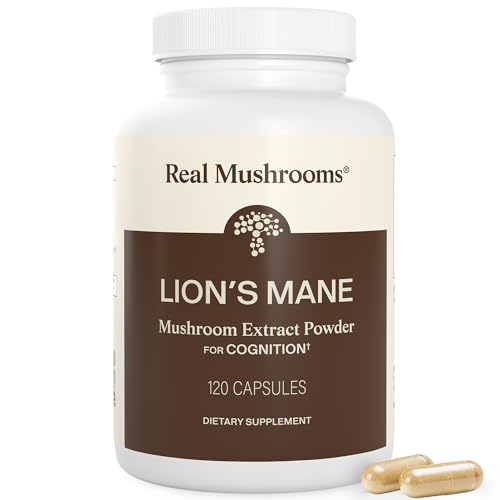
30%+: excellent — near the top of what's credibly disclosed for lion's mane. FreshCap states 31% on a 14:1 fruiting-body powder, for instance, and Real Mushrooms states above 25% with public COAs.
These statements have not been evaluated by the FDA. Lion's mane is a dietary supplement and is not intended to diagnose, treat, cure, or prevent any disease.
Our top-rated lion's mane
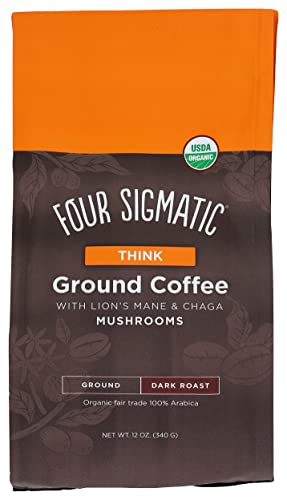
Whatever you decide, these are the lion's mane picks our reviews keep ranking on top. Live price check on each.



As an Amazon Associate we may earn from qualifying purchases, at no cost to you. 21+.
Questions, answered
Is lion's mane fruiting body or mycelium better?
For most buyers, fruiting body. It's the actual mushroom, where hericenones and beta-glucans concentrate, and it isn't diluted with the grain that mycelium is usually grown on. The nuance: erinacines (a separate compound class studied in early lab research) concentrate in the mycelium, so a few premium products combine fruiting body with a separate, pure, grain-free mycelium extract. The thing to avoid is mycelium-on-grain sold as your whole supplement with no beta-glucan number.
Why is mycelium-on-grain considered low quality?
Because the mycelium is grown on rice or oats and dried together with that grain, so a large and variable share of the finished powder is starch rather than mushroom. Independent testing of these products commonly finds high alpha-glucan (the grain starch) and low beta-glucan (the active marker) — meaning you can't tell how much real mushroom you're getting.
Is all mycelium bad in lion's mane?
No. Erinacines — one of the two compound classes studied for nerve growth factor in preclinical research — actually concentrate in the mycelium. The problem is specifically grain-grown mycelium dried with its starch substrate. A pure, grain-free mycelium extract with a disclosed erinacine number (as in some premium dual-extract products) is a legitimate, sophisticated ingredient, usually paired with fruiting body.
What does 'total polysaccharides' mean on a lion's mane label?
Polysaccharides include both beta-glucan (the active mushroom marker) and alpha-glucan (grain starch). A 'total polysaccharides' figure can therefore be inflated by grain filler. Only a stated beta-glucan percentage tells you about real extract, which is why a 'total polysaccharides' number with no beta-glucan figure is a red flag.
What beta-glucan percentage should lion's mane have?
For fruiting-body extracts, roughly: under ~10% is weak or grain-diluted, 20–25% is a solid honest floor, and 30%+ is excellent. Always check that the number is backed by a certificate of analysis — a label claim with a matching batch COA is far stronger than an unsupported figure.
Are hericenones and erinacines proven to work in humans?
No. Hericenones (in the fruiting body) and erinacines (in the mycelium) are studied in laboratory and animal research for stimulating nerve growth factor. That is promising preclinical science, not proven human outcomes. These statements have not been evaluated by the FDA, and lion's mane is not intended to diagnose, treat, cure, or prevent any disease.
Filed under Explainer
Part of Lion's Mane 101 · Lion's Mane vs Everything
Ready to try one? Start with our top picks
Whatever you decide, these are the lion's mane picks our reviews keep ranking on top. Live price check on each.
As an Amazon Associate we may earn from qualifying purchases, at no cost to you. 21+.
Keep reading
The Best Lion's Mane You Can Buy Right Now
Our flagship ranking, scored on fruiting-body sourcing and disclosed beta-glucans.
What Is Lion's Mane?
The mushroom, its key compounds, and why people take it — explained plainly.
Lion's Mane Benefits: What the Research Shows
An honest look at the human studies and the limits of the evidence.