Our Pick: Real Mushrooms
Check price →The Best Lion's Mane for Nerve Health Interest (2026)
The nerve-support angle is the single biggest reason people reach for lion's mane — but the science behind it is preclinical (lab and animal), not a proven human treatment. Here's the honest framing, plus the products to choose if that research is what draws you in: the ones that actually capture the compounds being studied.
By The Lion's Mane Reviews Desk · 10 min · Updated 2026-06-14
★ Our Top Pick
Best Verified Fruiting Body
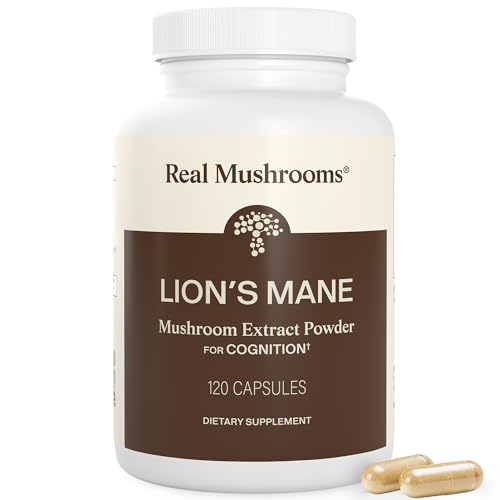
Organic Lion's Mane Capsules
Real Mushrooms
100% fruiting body with >25% beta-glucans and public COAs — verifiably the real mushroom the research studies.
Best Dual Extract (Both Compound Classes)
Lion's Mane 8:1 Dual Extract Capsules
Most Complete (Adds Disclosed Erinacine A)
Lion's Mane Dual Extract (Fruiting Body + Pure Mycelium)
Not sure yet? Compare all 3 picks below ↓
Let's be precise from the first line, because this is exactly the kind of topic where hype outruns evidence. The reason lion's mane became famous is its connection to nerve growth factor (NGF): in laboratory and animal studies, two of its compound classes — hericenones and erinacines — stimulate NGF, a protein involved in the growth and maintenance of nerve cells. That is genuinely interesting science. It is also preclinical. Lion's mane is not a treatment for neuropathy, nerve damage, or any nerve condition, and nothing here should be read as a claim that it is.
So this isn't a guide to "fixing" anything. It's a guide for the person whose curiosity about lion's mane started with that NGF research and who wants to know which products actually contain the compounds the studies are about — rather than a grain-grown filler that captures none of them. If you have a diagnosed nerve condition or any neurological symptoms, the right next step is a clinician, not a supplement aisle.
With that line drawn clearly: the products below are chosen because they verifiably deliver real fruiting-body extract (and, in one case, disclosed erinacine A) — the actual subjects of the preclinical work. We rank on disclosure and sourcing, the same as everywhere else on this site.
Our picks at a glance
| Pick | Product | Form | Extract / beta-glucans | Price | Link |
|---|---|---|---|---|---|
| Our Pick | Real Mushrooms Organic Lion's Mane Capsules | Capsule | >25% (COA published) | $30–$40 | Check price → |
| Best Dual Extract (Both Compound Classes) | Nootropics Depot Lion's Mane 8:1 Dual Extract Capsules | Capsule | 8:1 dual (water + ethanol) | $25–$30 (60ct) | Check price → |
| Most Complete (Adds Disclosed Erinacine A) | Oriveda Lion's Mane Dual Extract (Fruiting Body + Pure Mycelium) | Capsule (dual product) | ~320mg / serving | $70 to $85 (2-pack) | Check price → |
The short version
- The nerve-support interest in lion's mane comes from PRECLINICAL research: hericenones and erinacines stimulate nerve growth factor (NGF) in lab and animal studies — not in proven human trials.
- Lion's mane is NOT a treatment for neuropathy, nerve damage, or any nerve or neurological condition. This guide is about why people take it and which products contain the studied compounds — nothing more.
- If you have a diagnosed nerve condition, neurological symptoms, or take medication, talk to a clinician before adding any supplement. People allergic to mushrooms should avoid lion's mane.
- To capture the compounds the research is about, you need real fruiting body — not mycelium-on-grain, which is mostly starch and discloses no beta-glucan number.
- Hericenones concentrate in the fruiting body; erinacines concentrate in the mycelium. A dual extract (Nootropics Depot 8:1) captures both compound classes; Oriveda adds disclosed erinacine A from pure, grain-free mycelium.
- Even the most-cited human trial (Mori 2009) was small — 30 adults over 16 weeks — and its benefit faded after participants stopped. The evidence base is early.
| Product | Sourcing | Compounds captured | Disclosure | Price |
|---|---|---|---|---|
| Real Mushrooms Capsules | 100% fruiting body | Beta-glucans + hericenones (fruiting body) | >25% beta-glucans, public COAs | $30–$40 |
| Nootropics Depot 8:1 Dual Extract | Whole fruiting body | Beta-glucans + hericenones (dual-extracted) | 8:1 dual, exhaustive batch testing | $25–$30 |
| Oriveda Dual Extract | Fruiting body + pure mycelium | Hericenones AND erinacine A | ~320mg β-glucans + ≥4mg erinacine A | $70 to $85 |
Lion's mane picks for the nerve-research-curious — chosen on which studied compound classes each verifiably captures, not on any health claim.
01 · Best Verified Fruiting Body
Our PickOrganic Lion's Mane Capsules
100% fruiting body with >25% beta-glucans and public COAs — verifiably the real mushroom the research studies.
Lab report: 100% fruiting body extract standardized to more than 25% beta-glucans, with batch certificates of analysis published on the brand's site. No mycelium, no grain, no added starch.
The hericenones that anchor the preclinical NGF research concentrate in the fruiting body — the actual mushroom. A mycelium-on-grain product, by contrast, is mostly grain starch and captures little of that. So the first decision for anyone curious about the nerve research is simply: am I buying real fruiting body? Real Mushrooms answers that with a 100% fruiting-body extract, a disclosed beta-glucan percentage (>25%), and published batch COAs — the transparency benchmark for the category.
It's caffeine-free, beginner-friendly, and builds gradually over weeks, not hours. As a dietary supplement it has not been evaluated by the FDA and is not intended to diagnose, treat, cure, or prevent any disease. People allergic to mushrooms should avoid it, and anyone with a nerve or neurological condition, or on medication, should speak to a clinician first.
- Format
- Capsule
- Sourcing
- 100% fruiting body
- Beta-glucans
- >25% (COA published)
- Compounds
- Beta-glucans + hericenones
- Where to buy
- Amazon
What we like
- 100% fruiting body — the studied raw material
- Stated >25% beta-glucans with public COAs
- Beginner-friendly fixed dose
- Strong value per gram of real extract
Worth noting
- Hot-water extract (no added erinacine A)
- Caffeine-free, effects are gradual
Who should buy it: Anyone whose interest started with the nerve research and who wants a simple, verified fruiting-body capsule that actually contains the studied compounds.
What we don't like: It's a hot-water fruiting-body extract, so it leads on beta-glucans and hericenones but doesn't add the erinacine A that concentrates in mycelium. For that, see the dual or pure-mycelium picks below.
Bottom line: If the NGF research is what drew you to lion's mane, step one is making sure you're actually buying the mushroom the studies are about. Real Mushrooms is the cleanest way to do that: 100% fruiting body, a stated >25% beta-glucan figure, and a COA you can pull up — so the hericenones the research concerns are actually in the bottle.
02 · Best Dual Extract (Both Compound Classes)

Lion's Mane 8:1 Dual Extract Capsules
A dual-extracted 8:1 fruiting-body capsule that captures both the beta-glucans and the alcohol-soluble hericenones.
Lab report: 8:1 whole fruiting body dual extract (hot water + ethanol), 500mg per capsule. Nootropics Depot publishes detailed analytics and identity testing per batch.
The compounds in the preclinical NGF research split by solubility: the beta-glucans are water-soluble, the hericenones are alcohol-soluble. A hot-water extract pulls the first; a true dual extraction (hot water plus ethanol) pulls both. Nootropics Depot's 8:1 is exactly that — a concentrated whole-fruiting-body dual extract at 500mg per capsule, with batch analytics published for the people who want to read them.
It's caffeine-free and builds gradually. As a supplement it hasn't been evaluated by the FDA and isn't intended to diagnose, treat, cure, or prevent any disease. Avoid if you're allergic to mushrooms, and check with a clinician before use if you have a medical condition or take medication.
- Format
- Capsule
- Sourcing
- Whole fruiting body
- Extract
- 8:1 dual (water + ethanol)
- Compounds
- Beta-glucans + hericenones
- Where to buy
- Amazon
What we like
- Dual extraction captures hericenones AND beta-glucans
- Concentrated 8:1 whole fruiting body
- Exhaustive published lab testing
- Strong value for the potency
Worth noting
- No added erinacine A (fruiting-body product)
- No single headline beta-glucan number
Who should buy it: People drawn to the hericenone research specifically, who want the more complete dual-extraction method on verified fruiting body — and the most thorough published lab testing.
What we don't like: It captures hericenones from the fruiting body but, being a fruiting-body product, doesn't add the erinacine A that lives in mycelium. It also leans on full batch analytics rather than a single headline beta-glucan %.
Bottom line: Lion's mane carries two relevant compound families that dissolve in two different solvents. A water-only extract gets one; a dual extract gets both. Nootropics Depot's 8:1 is a whole-fruiting-body dual extract — water plus ethanol — from a brand that over-documents its testing, so you capture the hericenones a water-only product would leave behind.
03 · Most Complete (Adds Disclosed Erinacine A)
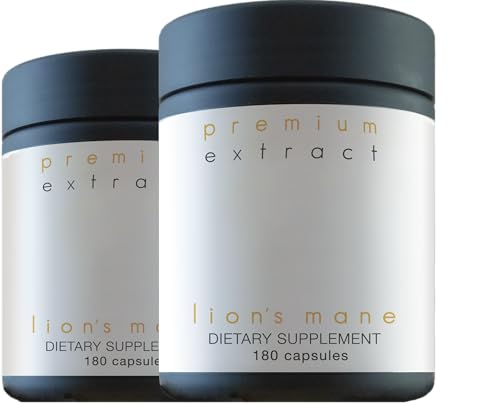
Lion's Mane Dual Extract (Fruiting Body + Pure Mycelium)
The only pick here that covers both studied compound classes by name — hericenones AND a disclosed erinacine A figure.
Lab report: A 1:1 lossless hot-water fruiting-body extract (~320mg beta-glucans/serving) paired with a separate pure (grain-free) mycelium extract standardized to ≥4mg erinacine A per serving. Heavily documented.
Most of this site steers you toward fruiting body and away from mycelium — because the mycelium you usually get is grown on grain and diluted with starch. Oriveda is the sophisticated exception. It pairs a lossless fruiting-body extract (about 320mg beta-glucans per serving, for hericenones and beta-glucans) with a separately produced, pure mycelium extract standardized to at least 4mg of erinacine A. That's the only honest way to chase erinacines: purpose-grown pure mycelium with the number disclosed, not grain-grown filler.
It's the priciest and most involved option here, and it's overkill for a beginner. As a supplement it hasn't been evaluated by the FDA and isn't intended to diagnose, treat, cure, or prevent any disease. Avoid if allergic to mushrooms; consult a clinician first if you have a nerve or neurological condition or take medication.
- Format
- Capsule (dual product)
- Sourcing
- Fruiting body + pure mycelium
- Beta-glucans
- ~320mg / serving
- Erinacine A
- ≥4mg / serving (standardized)
- Where to buy
- Amazon
What we like
- Covers hericenones AND disclosed erinacine A
- Pure, grain-free mycelium (not grain-grown)
- Discloses a number for each compound class
- Exhaustively documented
Worth noting
- Most expensive here
- Two-product system, more involved
- Overkill for beginners
Who should buy it: Detail-oriented users following the NGF research who specifically want disclosed erinacine A (from pure mycelium) on top of fruiting-body hericenones and beta-glucans.
What we don't like: It's the most expensive pick, it's a two-product system rather than one bottle, and it's far more than a newcomer needs to simply try lion's mane.
Bottom line: Here's the detail most brands skip: hericenones live in the fruiting body, but erinacines — the other NGF-studied compound class — live in the mycelium. Oriveda is the rare product built to cover both, pairing a fruiting-body extract with a separate, pure (grain-free) mycelium extract standardized to a disclosed erinacine A amount.
How we chose
We rank on disclosure and sourcing, never on health outcomes. Because the draw here is the NGF research, we specifically favor products that verifiably contain the compounds being studied: real fruiting body (for hericenones and beta-glucans), and — for the advanced pick — disclosed erinacine A from pure, grain-free mycelium. We deliberately exclude any product that can't substantiate fruiting-body sourcing with a stated beta-glucan figure.
We don't run clinical trials and don't pretend to, and we draw the evidence line brightly. The hericenone/erinacine NGF findings are from laboratory and animal studies — promising preclinical science, not proven human benefit. The most-cited human trial (Mori 2009) involved 30 participants over 16 weeks, with the effect fading after they stopped. We describe what's studied and why people take it; we make no claim that lion's mane treats, prevents, or improves any nerve or neurological condition. None of this is medical advice.
Questions, answered
Is lion's mane good for nerve health?
The honest answer: lion's mane is studied in connection with nerve health, but the evidence is preclinical. In laboratory and animal studies, its hericenones and erinacines stimulate nerve growth factor (NGF), a protein involved in nerve cell growth. That's why people interested in nerve support take it — but it is not proven to support, repair, or treat nerves in humans. Lion's mane is not a treatment for neuropathy or any nerve condition. If you have nerve symptoms, see a clinician.
Can lion's mane repair nerve damage or treat neuropathy?
No. There is no human evidence that lion's mane repairs nerve damage or treats neuropathy, and it should not be used in place of medical care. The NGF research that fuels this interest is from lab and animal studies — promising preclinical science, not a demonstrated human treatment. Anyone with nerve damage, neuropathy, or neurological symptoms should be guided by a clinician.
Which lion's mane contains the compounds studied for nerve growth factor?
The studied compounds are hericenones (in the fruiting body) and erinacines (in the mycelium). To get hericenones and beta-glucans, choose a verified fruiting-body extract like Real Mushrooms, or a fruiting-body dual extract like Nootropics Depot's 8:1 (which captures the alcohol-soluble hericenones too). To also get disclosed erinacine A, Oriveda pairs fruiting body with a separate, pure (grain-free) mycelium extract. Avoid undisclosed mycelium-on-grain, which is mostly starch.
How much lion's mane do the nerve studies use, and how long?
We won't quote a dose as a recommendation, because this isn't medical advice and the human evidence is thin. What we can say factually: the most-cited human trial (Mori 2009) ran 16 weeks with 30 participants, and the benefit faded after they stopped — so consistency over weeks, not a single dose, is the pattern in the research. Follow a product's own label, and talk to a clinician about whether and how much is appropriate for you.
Is lion's mane safe to take for nerve support?
Lion's mane is an edible mushroom and is generally well-tolerated in studies, with mild digestive upset the most commonly reported issue. The key cautions: people allergic to mushrooms should avoid it, and anyone pregnant, breastfeeding, on medication, or with a medical or neurological condition should check with a clinician first. This isn't medical advice, these statements haven't been evaluated by the FDA, and lion's mane is not intended to diagnose, treat, cure, or prevent any disease.
Should I take lion's mane instead of seeing a doctor about nerve symptoms?
No. If you have numbness, tingling, weakness, pain, or any neurological symptoms, those warrant a clinician's evaluation — a supplement is not a substitute. Lion's mane is a dietary supplement studied in early research, not a treatment. Use it, if at all, as a well-sourced supplement alongside proper medical care, not in place of it.
Filed under Buyer's Guide
Keep reading
The Best Lion's Mane You Can Buy Right Now
Our flagship ranking across every format, scored on fruiting body and disclosed beta-glucans.
Fruiting Body vs Mycelium: The Lion's Mane Label Guide
Where hericenones and erinacines live, and why mycelium-on-grain is mostly starch.
Lion's Mane Water vs Dual Extract
Why dual extraction captures the alcohol-soluble hericenones water alone misses.
Hericenones vs Erinacines: The Two Compound Classes
The two NGF-studied compound families, explained plainly.
Is Lion's Mane Safe?
Tolerability, the mushroom-allergy caution, and when to ask a clinician.