Our Pick: Real Mushrooms
Check price →Lion's Mane vs Rhodiola (2026): Which Adaptogen Wins?
Lion's mane is a mushroom for focus and nerve support; rhodiola is an adaptogenic herb traditionally used for energy, stress, and fatigue. They're aimed at different problems — here's how to choose, and why many people take both.
By The Lion's Mane Reviews Desk · 7 min · Updated 2026-06-15
★ Our Top Pick
Best lion's mane overall
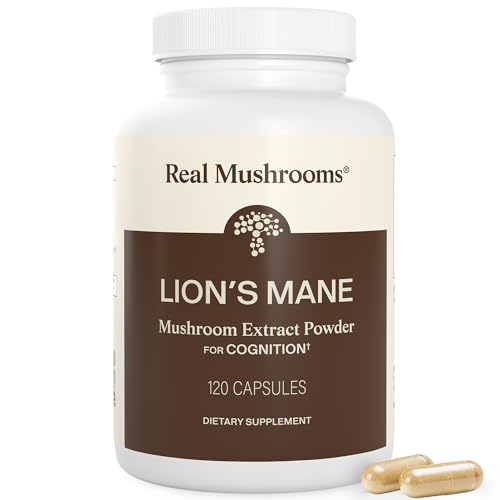
Real Mushrooms Lion's Mane Capsules
Real Mushrooms
100% fruiting body with a disclosed beta-glucan percentage and public COAs.
Best gummy
Troop Lion's Mane Gummies
Best high-potency dual extract
Nootropics Depot 8:1 Lion's Mane Dual Extract
Not sure yet? Compare all 3 picks below ↓
Short answer: choose lion's mane if your goal is focus, memory, and nerve support, and choose rhodiola if your goal is energy, stress resilience, and fighting mental and physical fatigue. They aren't really competitors — one is a mushroom studied for the brain, the other is an adaptogenic herb traditionally used to help the body cope with stress and tiredness.
Lion's mane (Hericium erinaceus) is a functional mushroom whose hericenones and erinacines are studied in laboratory and animal research for stimulating Nerve Growth Factor. Rhodiola (Rhodiola rosea) is a root used for centuries in Scandinavia, Russia, and Asia, classed as an adaptogen — and research suggests its rosavins and salidroside may support stress resilience and reduce the feeling of fatigue, with some human trials on stress-related fatigue.
Because they target different things, lion's mane and rhodiola are often stacked: lion's mane for steady daily cognitive support, rhodiola for energy and stress on demanding days. This guide explains what each is genuinely good for, how their evidence compares, and how to combine them — without overstating what either can do.
Our picks at a glance
| Pick | Product | Form | Extract / beta-glucans | Price | Link |
|---|---|---|---|---|---|
| Our Pick | Real Mushrooms Real Mushrooms Lion's Mane Capsules | Capsules | Disclosed percentage, verified by COA | ~$30 (60 capsules) | Check price → |
| Best gummy | Troop Troop Lion's Mane Gummies | Gummies | — | ~$30 (60 gummies) | Check price → |
| Best high-potency dual extract | Nootropics Depot Nootropics Depot 8:1 Lion's Mane Dual Extract | Capsules (dual extract) | 8:1 whole fruiting body, dual (water + alcohol) | ~$25–$40 (depending on size) | Check price → |
The short version
- Lion's mane = a mushroom for focus, memory, and nerve support. Rhodiola = an adaptogenic herb traditionally used for energy, stress resilience, and fatigue.
- Lion's mane's hericenones and erinacines are studied in PRECLINICAL lab and animal work for Nerve Growth Factor — promising, but not proven human outcomes.
- Rhodiola is an HERB, not a mushroom. Research suggests its rosavins and salidroside may support stress resilience and reduce fatigue, with some human trials — though the evidence is early and mixed.
- Different jobs: pick lion's mane for cognitive support, rhodiola for energy and stress. Neither replaces the other.
- Lion's mane is caffeine-free and built up over weeks; rhodiola is more often felt as a same-day, anti-fatigue lift and is usually taken earlier in the day because it can feel mildly stimulating.
- Neither is a medicine. These are supplements with early evidence, not treatments for any condition.
| Lion's Mane | Rhodiola | |
|---|---|---|
| What it is | A functional mushroom (Hericium erinaceus) | An adaptogenic herb / root (Rhodiola rosea) |
| Best for | Focus, memory, mental clarity, nerve support | Energy, stress resilience, mental & physical fatigue |
| Key compounds | Hericenones + erinacines; beta-glucans | Rosavins + salidroside (often standardized 3% / 1%) |
| Onset | Builds gradually over weeks of daily use | Often felt same-day; some report an anti-fatigue lift within hours |
| How it feels | Clearer head, steadier focus (subtle, cumulative) | Less worn-down, more energy under stress; can feel mildly stimulating |
| Stack-ability | Pairs with almost anything; caffeine-free | Pairs well with lion's mane; best taken earlier in the day |
| Evidence base | Early human trials + preclinical NGF research | Some human trials on stress-related fatigue; early and mixed |
Lion's mane vs rhodiola at a glance — a mushroom and an adaptogenic herb doing different jobs. Lion's mane is the cognitive specialist; rhodiola is the energy-and-stress-resilience one.
01 · Best lion's mane overall
Our PickReal Mushrooms Lion's Mane Capsules
100% fruiting body with a disclosed beta-glucan percentage and public COAs.
Lab report: Public, per-batch COAs on the brand site
Real Mushrooms is the brand we point people to first when they want the cognitive-support angle done properly. It's a fruiting-body-only extract — no mycelium-on-grain filler — with a disclosed beta-glucan percentage and certificates of analysis published per batch.
This is the daily, build-over-weeks option — caffeine-free, taken in the morning, and judged after a few weeks rather than a single dose. If your real goal is energy on demanding days rather than steady cognitive support, that's the rhodiola lane, not this one.
- Form
- Capsules
- Source
- 100% fruiting body
- Beta-glucans
- Disclosed percentage, verified by COA
- Made in
- Sourced and tested to public COA standards
What we like
- 100% fruiting body (no grain filler)
- Disclosed beta-glucan percentage
- Public, per-batch COAs
- Caffeine-free, easy daily routine
Worth noting
- Capsules only
- Slow, cumulative effect (not a same-day lift)
Who should buy it: Anyone who's decided their goal is cognitive — focus, memory, nerve support — and wants a transparent, fruiting-body lion's mane to take daily.
What we don't like: It's capsules only, so if you'd rather have a gummy or a powder you'll want a different format. And like all lion's mane, it's a slow build, not a same-day energy lift.
Bottom line: If you've decided lion's mane is your pick over rhodiola, this is the cleanest starting point. It's 100% fruiting body, with a stated beta-glucan percentage and per-batch lab reports anyone can pull up.
02 · Best gummy

Troop Lion's Mane Gummies
An honest gummy made from 100% fruiting body — no mycelium, no grain.
Lab report: Third-party tested; results available
Troop is our gummy pick because it avoids the usual gummy trap: most fruiting-body claims quietly fall apart in gummy form, where mycelium-on-grain is common. Troop uses 100% fruiting body and is third-party tested, so you get the convenience without giving up the thing that matters.
It's still lion's mane, so it's a daily, gradual cognitive-support routine, not a stimulant. For same-day energy under stress, that's rhodiola's territory, covered below.
- Form
- Gummies
- Source
- 100% fruiting body
- Testing
- Third-party tested
- Extras
- No mycelium, no grain filler
What we like
- 100% fruiting body (rare in a gummy)
- Third-party tested
- Easiest format for adherence
- Pleasant to take daily
Worth noting
- Higher cost per serving
- Lower potency per dose than capsules
Who should buy it: Anyone who wants the cognitive-support angle but won't stick to capsules or powder — and still wants a real, fruiting-body product.
What we don't like: Gummies cost more per serving than bulk capsules, and added sweeteners come with the format. Per-dose potency is typically lower than a concentrated capsule.
Bottom line: The easiest way to take lion's mane if you'll never remember a capsule. Troop is one of the few gummies made from 100% fruiting body.
03 · Best high-potency dual extract

Nootropics Depot 8:1 Lion's Mane Dual Extract
An 8:1 whole-fruiting-body dual extract with heavy independent lab testing.
Lab report: Extensive third-party lab testing published
Nootropics Depot is the choice for the buyer who wants potency and rigorous testing. This is an 8:1 whole-fruiting-body dual extract — meaning it captures both water-soluble and alcohol-soluble compounds — and the brand is known for unusually thorough independent lab work.
As with any lion's mane, this is a daily, weeks-long routine rather than an instant effect. If what you actually want is a fast anti-fatigue lift on a hard day, that's where rhodiola fits better — see the editorial sections below.
- Form
- Capsules (dual extract)
- Extraction
- 8:1 whole fruiting body, dual (water + alcohol)
- Source
- Whole fruiting body
- Testing
- Extensive published third-party lab testing
What we like
- 8:1 concentrated dual extract
- Whole fruiting body
- Heavy independent lab testing
- Strong value at larger sizes
Worth noting
- Less beginner-friendly presentation
- Price varies by size
Who should buy it: The detail-oriented buyer who wants a concentrated, dual-extracted, heavily-tested lion's mane and is sticking with the cognitive-support goal.
What we don't like: It's a more clinical, less beginner-friendly presentation than a gummy, and pricing varies by size. Still a slow-build product, not a same-day energizer.
Bottom line: The pick for people who want a concentrated, well-tested lion's mane. An 8:1 whole-fruiting-body dual extract with a strong testing reputation.
How we chose
We compare lion's mane and rhodiola on what each is actually aimed at, what the published research suggests (and where it stops), and how they fit into a real routine — not on marketing claims. Our analysis is independent: we don't take payment from any brand to be included or ranked, and our editorial take isn't for sale.
Compounds, mechanisms, and evidence framing are drawn from the available human and preclinical literature, described honestly — lion's mane's Nerve Growth Factor research is preclinical, and rhodiola's human fatigue and stress data is early and mixed. We never describe either as a treatment for any condition.
For the lion's-mane picks below, we apply the same quality bar as the rest of the site: real fruiting-body sourcing, disclosed beta-glucans, and a publicly available certificate of analysis (COA). Rhodiola is covered editorially only; we don't currently recommend a specific rhodiola product.
Key terms
- Hericenones & erinacines
- Lion's mane's signature compounds — hericenones in the fruiting body, erinacines in the mycelium — studied in lab and animal research for stimulating Nerve Growth Factor (preclinically, not a proven human effect).
- Rosavins & salidroside
- Rhodiola's signature compounds. Research suggests they may support stress resilience and reduce fatigue; the better rhodiola extracts standardize them (commonly to 3% rosavins and 1% salidroside).
- Adaptogen
- A substance traditionally thought to help the body adapt to physical and mental stress. Rhodiola is a classic adaptogenic herb; lion's mane is a mushroom and isn't typically described this way.
- Nerve Growth Factor (NGF)
- A protein involved in the growth and maintenance of nerve cells. Lion's mane compounds are studied for stimulating it — preclinically, not as a proven human effect.
Questions, answered
What's the difference between lion's mane and rhodiola?
Lion's mane is a functional mushroom studied for focus, memory, and nerve support, with hericenones and erinacines researched in preclinical NGF work. Rhodiola is an adaptogenic herb (a root, not a mushroom) traditionally used for energy, stress resilience, and fatigue, with some early human trials on stress-related fatigue. In short: lion's mane for the brain, rhodiola for energy and stress.
Should I take lion's mane or rhodiola for energy?
Rhodiola is the one traditionally used for energy and fatigue, and research suggests its rosavins and salidroside may help you feel less worn down under stress — often noticed the same day. Lion's mane is caffeine-free and aimed at cognitive support, so it's not an energy supplement. That said, rhodiola's human evidence is early and mixed, so it's best described as a promising adaptogen rather than a proven energy booster.
Should I take lion's mane or rhodiola for focus?
Lion's mane. It's the one studied specifically for cognitive and nerve support, with hericenones and erinacines researched in preclinical NGF work. Rhodiola's strength is energy and stress resilience, not focus directly — though by reducing fatigue, some users report they concentrate better. For a targeted cognitive aim, lion's mane is the pick.
Can you take lion's mane and rhodiola together?
Yes. They target different things — lion's mane for focus, rhodiola for energy and stress — so they stack well and appear together in many focus-and-energy routines. A common pattern is lion's mane every morning with rhodiola earlier in the day on demanding days. Because rhodiola can be mildly stimulating, take it in the morning or early afternoon, not at night. Check with a clinician before combining supplements, especially if pregnant, breastfeeding, or on medication.
Is rhodiola a mushroom?
No. Rhodiola (Rhodiola rosea) is a root — an adaptogenic herb, not a fungus. Lion's mane is the mushroom. This is why their quality checks differ: for rhodiola you look for a standardized extract (commonly 3% rosavins and 1% salidroside), and for lion's mane you look for fruiting-body sourcing and a stated beta-glucan percentage.
Are lion's mane and rhodiola safe?
Both are generally well-tolerated, but their cautions differ. Lion's mane's main risk is mushroom allergy. Rhodiola can be activating and has its own considerations — people who are pregnant or breastfeeding, who have bipolar disorder, or who take antidepressants, blood pressure, or blood sugar medication should be especially careful. Anyone pregnant, breastfeeding, on medication, or with a medical condition should check with a clinician before taking either. This isn't medical advice, and these statements haven't been evaluated by the FDA; neither is intended to diagnose, treat, cure, or prevent any disease.
Filed under Comparison
Keep reading
Lion's Mane vs Ashwagandha
A mushroom and an adaptogenic herb for different jobs — focus vs stress and cortisol.
The Best Lion's Mane Stack
How to combine lion's mane with other supplements — what pairs well and what to skip.
The Best Lion's Mane You Can Buy Right Now
Our flagship ranking, scored on fruiting-body sourcing and disclosed beta-glucans.