Our Pick: VivoNu
Check price →VivoNu Lion's Mane Review (2026): Worth It?
VivoNu stacks lion's mane with bacopa, Alpha-GPC, phosphatidylserine, and three more mushrooms in one 180-capsule bottle at $61.99. That's a lot of formula in one label, and it's also the problem: the more ingredients share a label, the harder it is to see how much real lion's mane you're getting. We checked it against our sourcing-and-disclosure criteria.
By The Lion's Mane Reviews Desk · 8 min · Updated 2026-08-03
Short answer: VivoNu is a reasonable buy if you want one bottle that covers a whole nootropic stack, and it's not the right pick if you want a verified, transparent lion's mane supplement. The formula pairs lion's mane with ingredients that have their own followings, bacopa, Alpha-GPC, and phosphatidylserine, plus a supporting mushroom trio of turkey tail, cordyceps, and reishi, all in a 180-capsule bottle at $61.99. One bottle still costs less than assembling those specialists separately, but at the current price it is no longer the bargain it was at launch.
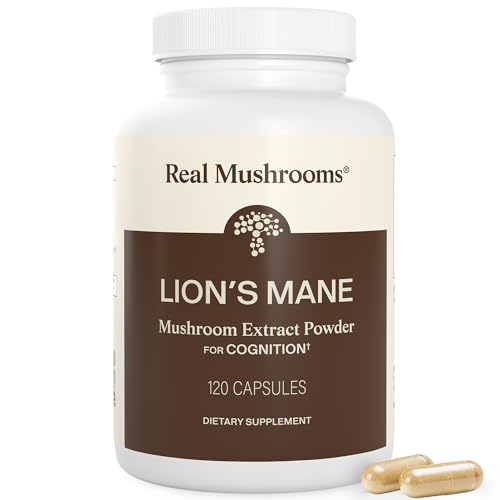
But coverage and disclosure pull in opposite directions, and disclosure is what we rank on. VivoNu's listing does not state whether its lion's mane is fruiting body or mycelium-on-grain, does not print a beta-glucan figure, and spreads its label across seven-plus actives, which makes the lion's mane fraction hard to reason about. The brands at the top of our rankings, Real Mushrooms, Nootropics Depot, FreshCap, win precisely because they disclose those numbers on a single-ingredient label.
So this review answers the real question: who is a kitchen-sink stack actually right for, what are you giving up versus a dedicated fruiting-body capsule, and is VivoNu's version of the stack a fair deal? We rank on what a brand discloses, not on hype, and not on lab testing we don't do.
The short version
- What it is: an all-in-one stack, lion's mane plus bacopa, Alpha-GPC, phosphatidylserine, turkey tail, cordyceps, and reishi, 180 capsules for $61.99.
- The real strength: value and convenience. One bottle replaces what stack-builders often buy as three or four separate supplements.
- The real weakness: disclosure. No fruiting-body vs mycelium statement, no beta-glucan figure, and a multi-ingredient label that obscures the lion's mane dose.
- The stack logic is defensible: bacopa, Alpha-GPC, and phosphatidylserine each have their own body of early research, so the extra ingredients aren't filler by definition.
- Honest verdict: fine as an all-in-one experiment if the convenience is worth it to you. If lion's mane specifically is your goal, a disclosed 100% fruiting-body capsule is the better buy, and it now costs less than VivoNu does.
| Product | Format | Sourcing disclosed? | Beta-glucans stated? | Price |
|---|---|---|---|---|
| VivoNu Lion's Mane stack | Capsule (180ct, multi-ingredient) | Not stated | No | $61.99 |
| Real Mushrooms Capsules | Capsule (single-ingredient) | 100% fruiting body | >25% (public COAs) | $30 to $40 |
| Nootropics Depot 8:1 | Capsule (single-ingredient) | Fruiting body, 8:1 dual extract | Tested in-house | $30 to $40 |
| Double Wood | Capsule (single-ingredient) | Stated on label | Third-party tested | $19.95 |
VivoNu vs the dedicated lion's mane capsules it competes with. The stack wins on breadth, the specialists win on disclosure.
01 · The All-in-One Stack
Reviewed
Lion's Mane Mushroom Supplement Capsules (180ct)
A whole nootropic stack in one bottle, at the cost of seeing your actual lion's mane dose.
Lab report: Multi-ingredient formula: lion's mane with bacopa, Alpha-GPC, phosphatidylserine, turkey tail, cordyceps, and reishi. The listing does not state fruiting-body vs mycelium sourcing or any beta-glucan figure, which are the two disclosures we weight most.
Judge VivoNu as what it is: a stack product. Alongside lion's mane, the formula carries bacopa (the most-studied herbal in the memory-support literature), Alpha-GPC (a choline source common in focus stacks), phosphatidylserine (a phospholipid with its own early research on cognitive support), and a turkey tail, cordyceps, and reishi trio. People assemble exactly this combination by hand from specialist vendors, and doing it in one bottle at $61.99 for 180 capsules is legitimately convenient. If you've been curious about a full stack but unwilling to buy four bottles to find out, this is the low-commitment way in.
Here's why we keep harping on those disclosures. Mycelium grown on grain is dried with the grain still in it, so a large and variable share of an undisclosed 'mushroom' powder can be starch rather than mushroom. And the compounds behind lion's mane's reputation, hericenones and erinacines studied in laboratory and animal work for stimulating Nerve Growth Factor, live in the parts and extracts a label should be specific about. That research is promising preclinical science, not a proven human outcome, and an unspecified dose inside a blend is the weakest way to pursue it. Take it daily per the label, give it weeks, and keep expectations calibrated. As a dietary supplement these statements have not been evaluated by the FDA, and this product is not intended to diagnose, treat, cure, or prevent any disease.
- Format
- Capsules, 180 per bottle
- Formula
- Lion's mane + bacopa, Alpha-GPC, phosphatidylserine, turkey tail, cordyceps, reishi
- Sourcing
- Not stated (fruiting body vs mycelium undisclosed)
- Beta-glucans
- Not stated
- Where to buy
- Amazon
What we like
- Whole stack in one bottle
- 180 capsules, friendly cost per day
- Companion ingredients have their own early research
- Low-commitment way to trial a full stack
Worth noting
- No fruiting-body vs mycelium disclosure
- No beta-glucan figure
- Lion's mane dose obscured by the blend
- Young brand, thin third-party paper trail
Who should buy it: Stack-curious buyers who value convenience: people who want lion's mane, bacopa, a choline source, and phosphatidylserine in one purchase and would rather spend $61.99 on one bottle than $100-plus assembling specialists. Also a fit if you already know a multi-ingredient formula suits you and you're shopping on cost per capsule.
What we don't like: The two disclosures we care about most are missing: fruiting body vs mycelium and beta-glucan content. The multi-ingredient label makes the lion's mane fraction unknowable, and VivoNu is a young brand without the third-party paper trail the category leaders publish. If lion's mane specifically is your goal, this isn't the transparent way to buy it.
Bottom line: VivoNu is the one-bottle version of a stack people otherwise assemble from three or four products, and at $61.99 for 180 capsules it still undercuts building the stack piece by piece. The trade is transparency: you can't see how much lion's mane you're getting or what kind. Buy it as a broad convenience experiment, not as a verified lion's mane dose.
How we chose
We judge a lion's mane product on disclosure first: is it fruiting body or mycelium-on-grain, does it state a lion's mane milligram amount or a beta-glucan figure, and is it third-party tested. Multi-ingredient formulas get held to the same bar, plus one more: can a buyer tell how much of each active they're actually taking? We also weigh value, capsule count and cost per day, because consistency is where results come from.
We don't run clinical trials and don't pretend to. Effects are described as what users and the early published research commonly report, never as medical outcomes. The human evidence for lion's mane is genuinely early: the most-cited trial (Mori 2009) had just 30 adults over 16 weeks, and the mechanism work on hericenones and erinacines stimulating Nerve Growth Factor is preclinical lab and animal research, not proven human outcomes.
Questions, answered
Is VivoNu lion's mane worth it?
As an all-in-one stack, it's a convenience play: lion's mane plus bacopa, Alpha-GPC, phosphatidylserine, and three more mushrooms, 180 capsules for $61.99. As a dedicated lion's mane supplement, no: the listing doesn't disclose fruiting-body sourcing or a beta-glucan figure, and the blend format hides the lion's mane dose. Buy it for breadth in one bottle; buy a disclosed fruiting-body capsule if lion's mane itself is the goal.
Is VivoNu a legit brand?
VivoNu is a real brand with in-stock Amazon listings, and the product in this review was verified live at the time of writing. It is, however, a young label without the transparency infrastructure the category leaders have built: no published COAs, no stated sourcing, no beta-glucan numbers. Legit in the sense of real and buyable, unproven in the sense that matters for ranking, which is disclosure.
Is VivoNu fruiting body or mycelium?
The listing doesn't say, and that's the single biggest mark against it. Fruiting body is the actual mushroom; mycelium grown on grain is dried with the grain included, so much of the powder can be starch. Brands using real fruiting body almost always say so loudly, because it costs more, so silence on this point is worth treating as a caution flag until the label proves otherwise.
What's in VivoNu besides lion's mane?
Per the listing: bacopa, Alpha-GPC, phosphatidylserine, turkey tail, cordyceps, and reishi. Bacopa, Alpha-GPC, and phosphatidylserine are established stack ingredients with their own bodies of early research on memory and focus support, so the formula's logic is coherent. The trade-off is that seven-plus actives sharing one capsule means no single ingredient can be at a full standalone dose. Check the current label for exact amounts and serving size.
How many VivoNu capsules should I take?
Follow the label serving on the current bottle rather than any number in a review, since multi-ingredient formulas revise servings more often than single-ingredient products. As with all lion's mane, the useful habit is daily consistency over weeks, not a big same-day dose. Don't exceed the label. This isn't medical advice, and these statements haven't been evaluated by the FDA.
Is VivoNu safe?
Its core ingredients are widely used and generally well-tolerated, with mild digestive upset the most commonly reported issue for mushroom supplements. Because it's a multi-ingredient formula, check the full label against anything else you take, avoid it if you're allergic to mushrooms, and talk to a clinician first if you're pregnant, breastfeeding, on medication, or managing a condition. This isn't medical advice; these statements haven't been evaluated by the FDA, and the product is not intended to diagnose, treat, cure, or prevent any disease.
Filed under Review
More lion's mane worth comparing
Whatever you decide, these are the lion's mane picks our reviews keep ranking on top. Live price check on each.



As an Amazon Associate we may earn from qualifying purchases, at no cost to you. 21+.
Keep reading
The Best Lion's Mane Supplement (2026)
The disclosed, fruiting-body picks that top our rankings.
The Best Lion's Mane Capsules
Single-ingredient capsules with labels you can actually read.
Real Mushrooms Lion's Mane Review (2026)
The transparency benchmark VivoNu gets measured against.
The Lion's Mane Stack: What to Pair It With
How to build VivoNu's formula from disclosed parts.
Fruiting Body vs Mycelium: The Label Guide
Why an undisclosed sourcing line is a caution flag.
Lion's Mane vs Bacopa
The two memory-support staples in VivoNu's formula, compared.
Lion's Mane Dosage: How Much to Take
What a meaningful daily dose looks like, by format.