Fresh vs Supplement Lion's Mane: Which One You Actually Want
Fresh lion's mane is a delicious food; a lion's mane supplement is a measured, verifiable daily dose. They are not competing versions of the same thing, they answer different questions. Here is the honest way to decide which one is for you.
By The Lion's Mane Reviews Desk · 9 min · Updated 2026-07-22
Here is the honest answer up front: fresh lion's mane and a lion's mane supplement are not two grades of the same product, they are two different things that answer two different questions. If your question is 'what should I cook for dinner,' the answer is fresh. If your question is 'how do I take a consistent, verifiable amount every day,' the answer is a supplement. Neither is a compromised version of the other.
Fresh lion's mane is a food: a mild, meaty gourmet mushroom with a famously crab-like texture when seared. What you get is all fruiting body, the actual mushroom, but you get it as a variable, uncertified ingredient, however much happens to be in a serving that day. A supplement is the opposite, a concentrated, dose-controlled extract with (from a good brand) a stated beta-glucan percentage and a certificate of analysis, but no flavor, no ritual, no dinner.
This page lays out that split plainly so you can pick without the marketing noise, and points you to the right next step either way: the countertop grow kits that make fresh lion's mane easy to get, or the verified extracts worth your money.
The short version
- Different questions, not competing products: fresh answers 'what do I cook,' a supplement answers 'how do I take a measured daily dose.'
- Fresh lion's mane is 100% fruiting body but uncertified and variable, you cannot know its beta-glucan content, and it is not a controlled dose.
- A good supplement gives you a stated beta-glucan percentage, a certificate of analysis, and a consistent amount every day, but no flavor or ritual.
- For consistency over weeks (how lion's mane is actually taken), a supplement wins on reliability; for enjoyment, freshness, and the experience, fresh wins.
- You can do both: cook fresh lion's mane for dinner and take a tested extract daily. They do not conflict.
- Hard to find fresh? A countertop grow kit is the most reliable source; want a verifiable dose? A fruiting-body extract with a stated beta-glucan number is the tool.
- The compounds people associate with lion's mane come from preclinical research; this is structure-function information, not medical advice, and not evaluated by the FDA.
| Fresh lion's mane | Supplement (extract) | |
|---|---|---|
| What it is | The whole edible mushroom | Concentrated, dose-controlled extract |
| Sourcing | 100% fruiting body | Fruiting body (from a good brand) |
| Dose control | None, variable per serving | Consistent, stated amount |
| Verification | No beta-glucan %, no COA | Stated beta-glucan % + COA (good brands) |
| Best for | Cooking, flavor, the experience | A measured daily habit over weeks |
| How you get it | Grow a kit or find a specialty grocer | Capsule, gummy, powder, or coffee |
Fresh lion's mane vs a lion's mane supplement, side by side. They win on different things because they answer different questions.
What fresh lion's mane actually is (and isn't)
Fresh lion's mane is a gourmet food mushroom, all fruiting body, prized for its crab-like texture, but it is a variable, uncertified ingredient, not a controlled dose.
When you cook fresh lion's mane you are eating the actual mushroom, the shaggy white fruiting body, which is the part where hericenones and beta-glucans concentrate. In that narrow sense it is the 'purest' form: no grain carrier, no processing, just the mushroom. That is a real point in its favor, and it is why growing your own is such an appealing source.
Fresh also depends on availability, most grocers do not stock it, and on your cooking, since it is a food you prepare, not a pill you swallow. The upside is enjoyment and freshness; the tradeoff is variability.
What a supplement gives you that food can't
A lion's mane supplement is a concentrated, dose-controlled extract, and from a good brand it comes with a stated beta-glucan percentage and a certificate of analysis, the verification a fresh mushroom simply cannot offer.
The reason serious buyers reach for an extract is not that it is 'stronger than food' in some vague way, it is that it is measured. A tested fruiting-body extract tells you what is in it (a stated beta-glucan minimum), proves it (a batch COA), and delivers the same amount every single day. That consistency is the whole point, because lion's mane is taken daily over weeks, not eaten once for an effect.
The tradeoff is everything fresh gives you: there is no flavor, no ritual, no dinner. A capsule is a habit, not an experience. As a dietary supplement it has not been evaluated by the FDA and is not intended to diagnose, treat, cure, or prevent any disease.
So which should you choose?
Choose by your goal, not by which is 'better.' If you want to enjoy a distinctive mushroom, fresh wins. If you want a consistent, verifiable daily amount, a supplement wins. If you want both, do both, they do not conflict.
Ask yourself what you are actually after. Enjoyment, cooking, and the experience of a rare gourmet ingredient point to fresh, ideally grown at home so you can actually get it. A dependable daily habit with a known amount points to a tested extract. Many people land on both: they cook fresh lion's mane when they can get it and take a daily extract for consistency, which is a perfectly sensible combination.
Whatever you choose, keep expectations grounded, and see the honesty section below before you decide based on any health claim.
Where to get each one
For fresh, grow your own from a countertop kit, it is the most reliable source, since most stores do not stock it. For a supplement, buy a fruiting-body extract with a stated beta-glucan number.
Fresh lion's mane is genuinely hard to find at retail. A pre-inoculated grow kit solves that: open the block, mist it twice a day, and harvest a fresh mushroom in one to two weeks, no special equipment needed. Our best lion's mane grow kits guide ranks the countertop blocks worth buying, and how to cook lion's mane covers what to do with the harvest.
Both paths are legitimate. The mistake is buying a supplement expecting a culinary experience, or growing a kit expecting a controlled dose. Pick the tool that fits the job.
The honest part: what the science does and doesn't say
Whether you eat lion's mane or supplement it, its reputation rests on compounds studied mostly in laboratory and animal research, promising preclinical science, not proven human outcomes.
The compounds everyone gets excited about, hericenones (from the fruiting body) and erinacines (from the mycelium), do stimulate nerve growth factor in cell and animal studies. That is a genuine, interesting mechanism, and it is the reason sourcing and beta-glucan content are worth caring about. But plenty of compounds that do impressive things in a dish or a mouse do not translate to meaningful effects in people, and the human evidence for lion's mane is early and limited.
This is structure-function and general information, not medical advice. Only eat lion's mane you have grown from a trusted kit or bought from a reputable seller, cook it through, and avoid it entirely if you are allergic to mushrooms. If you are pregnant, breastfeeding, on medication, or managing a condition, check with a clinician first. These statements have not been evaluated by the FDA, and lion's mane is not intended to diagnose, treat, cure, or prevent any disease.
Key terms
- Fresh lion's mane
- The whole edible mushroom, a culinary ingredient. All fruiting body, but variable and uncertified, so it is a food, not a measured dose.
- Supplement (extract)
- A concentrated, dose-controlled preparation of the mushroom. From a good brand it states a beta-glucan percentage and publishes a COA, giving you a consistent daily amount.
- Fruiting body
- The actual mushroom, where hericenones and beta-glucans concentrate. It is all you get when you eat fresh, and what the best supplements are made from.
- Beta-glucans
- The standardized potency marker for a mushroom extract. A number you can get from a tested supplement but never from a fresh mushroom.
- Certificate of analysis (COA)
- A batch lab report verifying what is in a supplement. The proof a fresh, home-cooked mushroom can never provide.
Our top-rated lion's mane
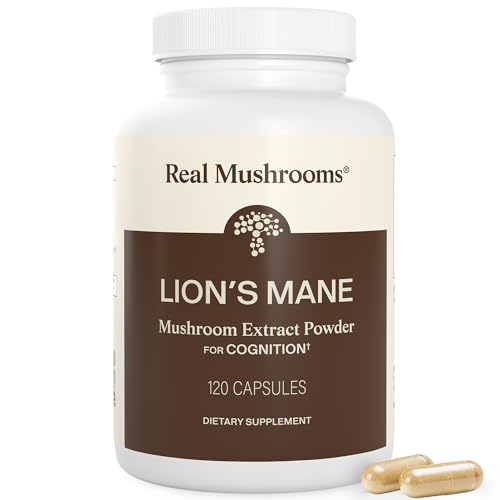
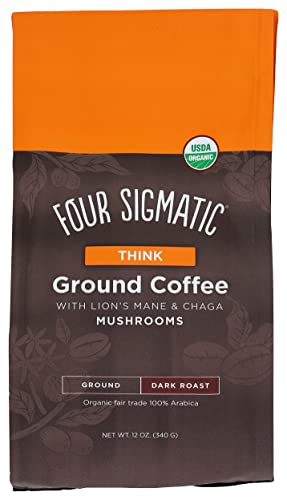
Whatever you decide, these are the lion's mane picks our reviews keep ranking on top. Live price check on each.



As an Amazon Associate we may earn from qualifying purchases, at no cost to you. 21+.
Questions, answered
Is fresh lion's mane better than a supplement?
Neither is better, they answer different questions. Fresh is the better choice for cooking, flavor, and the experience, and it is 100% fruiting body. A supplement is the better choice for a consistent, verifiable daily amount, because it states a beta-glucan percentage and comes with a COA that a fresh mushroom cannot. Many people do both.
Does fresh lion's mane have the same benefits as an extract?
Fresh lion's mane is all fruiting body, the part where the studied compounds concentrate, but you cannot know how much of anything a given serving contains, and it is not a controlled dose. An extract is measured and verifiable. That said, keep expectations honest either way: lion's mane's reputation rests on preclinical (lab and animal) research, not proven human outcomes, and neither form is a treatment for any condition.
Can I just eat lion's mane instead of taking a supplement?
You can absolutely enjoy fresh lion's mane as a food, and it is delicious. But if your goal is a consistent, known daily amount, eating it does not give you that, portions vary and there is no beta-glucan number or COA. If consistency and verification matter to you, a tested extract is the right tool; if enjoyment is the goal, cook the fresh mushroom.
Should I take a supplement and cook fresh lion's mane?
That is a perfectly sensible combination and the two do not conflict. Cook fresh lion's mane (ideally home-grown, since it is hard to find in stores) for the flavor and experience, and take a daily fruiting-body extract with a stated beta-glucan percentage for a consistent amount. Match each to its job.
Where do I get fresh lion's mane if stores don't carry it?
Grow your own. Most grocers do not stock fresh lion's mane, but a countertop grow kit harvests fresh fruiting bodies in one to two weeks with just twice-daily misting and no special equipment. See our best lion's mane grow kits guide for the blocks worth buying and how to cook lion's mane for what to do with the harvest.
Is lion's mane safe to eat or take?
Lion's mane is an edible mushroom generally well-tolerated in studies, with mild digestive upset the most commonly reported issue. Only eat fresh mushroom grown from a trusted kit or correctly identified, and cook it through. Avoid it entirely if you are allergic to mushrooms, and check with a clinician if you are pregnant, breastfeeding, on medication, or managing a condition. This is not medical advice, these statements have not been evaluated by the FDA, and lion's mane is not intended to diagnose, treat, cure, or prevent any disease.
Filed under Explainer
Ready to try one? Start with our top picks
Whatever you decide, these are the lion's mane picks our reviews keep ranking on top. Live price check on each.
As an Amazon Associate we may earn from qualifying purchases, at no cost to you. 21+.
Keep reading
The Best Lion's Mane Supplement (2026)
If you want a measured, verifiable daily dose: the extracts worth buying, ranked.
The Best Lion's Mane Grow Kits (2026)
If you want fresh: the countertop kits that make growing your own easy.
How to Cook Lion's Mane
The dry-sear, crab cakes, and storage for your fresh harvest.
Fruiting Body vs Mycelium
The one label distinction that separates real extract from grain filler.
Does Lion's Mane Actually Work?
An honest look at what the human research shows and what is only preclinical.