How to Cook Lion's Mane: The Dry-Sear, Crab Cakes & Storage
Fresh lion's mane cooks into a tender, crab-like texture, but only if you sear it right. Here is the one technique that decides everything, the crab-cake dish it is famous for, how to store it, and the pan that does it best.
By The Lion's Mane Reviews Desk · 10 min · Updated 2026-07-22
The single most important thing about cooking lion's mane is the dry-sear: put the sliced mushroom in a hot, dry pan with no oil first, let it release its water and start to brown, and only then add fat. Do that and you get the golden, tender, crab-like texture lion's mane is famous for. Skip it and you get a soggy, rubbery disappointment. Everything else is a variation on that one move.
Fresh lion's mane is a genuinely great cooking mushroom, mild, slightly sweet, and meaty, with flesh that shreds into tender strands when seared. That shreddy texture is why 'lion's mane crab cakes' are a real dish and why the mushroom shows up in vegetarian seafood-style cooking. It is not about imitation flavor; the mushroom does the work with its structure.
This guide covers the technique in detail, the crab-cake dish step by step, how to store fresh lion's mane so it lasts, and the pan that sears it best. If you cannot find it fresh at a store, the easiest way to get it is to grow your own, a countertop kit harvests in one to two weeks.
The short version
- The number-one rule: dry-sear first. Cook sliced lion's mane in a hot, dry pan to drive off its water, then add butter or oil to brown it.
- Do not crowd the pan. A crowded pan traps steam and you never get a brown crust; cook in batches if you have a lot.
- The crab-cake trick works because seared, shredded lion's mane genuinely mimics flaky crab, bind it with egg and breadcrumbs and season it like a classic crab cake.
- Store fresh lion's mane in a paper bag in the fridge (not sealed plastic) and use it within about a week; it is a sponge, so do not soak it to clean it.
- A well-seasoned cast iron skillet is the ideal pan: it holds high, even heat, which is exactly what the dry-sear needs.
- Hard to find fresh? A countertop grow kit is the most reliable source, harvesting fresh fruiting bodies in one to two weeks.
- Lion's mane is a food here, not a measured supplement; enjoy it for the texture and flavor, with honest expectations about the science.
The one technique that matters: the dry-sear
Fresh lion's mane holds a lot of water, so the whole game is driving that water off before you add fat. Put the sliced mushroom in a hot, dry pan with no oil, let it cook untouched until it releases its moisture and starts to color, then add butter or oil to brown it, that sequence is what gives you a tender, crab-like texture instead of a soggy, rubbery one.
Tear or slice the mushroom into roughly half-inch pieces (it shreds naturally along the grain), lay them in a hot dry pan in a single layer, and leave them alone for a few minutes. You will hear them release water and see them shrink and take on color. Then add a knob of butter or a splash of oil and a pinch of salt, and brown both sides until golden.
From there it is wildly flexible: finish with garlic and a squeeze of lemon, fold it into pasta or risotto, pile it into tacos, or use it anywhere you would use crab or pulled chicken. Always cook lion's mane through rather than eating it raw.
Lion's mane 'crab cakes,' step by step
Lion's mane crab cakes work because the seared, shredded mushroom genuinely mimics the flaky texture of crab. Bind it with egg and breadcrumbs, season it like a classic crab cake, and pan-fry until golden.
Start with the dry-sear above so the mushroom is browned and most of its water is gone, wet mushroom is what makes crab cakes fall apart. Roughly chop or pull the cooked lion's mane into shreds, then mix with a beaten egg, a few spoonfuls of breadcrumbs, a little mayo or mustard to bind, and classic crab-cake seasonings: Old Bay or a paprika-celery-salt blend, chopped scallion, a squeeze of lemon. Form into patties, chill them for about ten minutes so they hold, and pan-fry in a little oil until crisp on both sides.
Serve with a lemony aioli or remoulade. It is a vegetarian dish that leans on texture, not imitation flavoring, the appeal is that the mushroom does the work.
The best pan for the job: cast iron
The dry-sear needs high, steady, even heat, which is exactly what a well-seasoned cast iron skillet delivers better than almost anything else.
A thin nonstick pan cools down the moment you add cold mushroom and struggles to build a crust; cast iron holds its heat, so the pieces keep searing instead of steaming. A well-seasoned skillet is also naturally slick once hot, so the mushroom releases cleanly when it is ready to flip. If you cook a lot of mushrooms (or crab cakes), it is the single most useful pan to own.
Preheat it for a couple of minutes before the mushroom goes in, and keep the pieces spread out. Let the pan do the searing, then add your fat once the water has cooked off.
How to store fresh lion's mane
Keep fresh lion's mane in a paper bag in the fridge, not sealed plastic, and use it within about a week. Do not wash it until you are ready to cook, and never soak it, it is a sponge.
Sealed plastic traps moisture and turns the mushroom slimy fast; a paper bag lets it breathe and stay firm. To clean it, brush off any debris or wipe it with a dry or barely-damp cloth rather than rinsing. If it starts to yellow or the texture softens, cook it promptly.
The freshest lion's mane of all is the kind you grow yourself and harvest minutes before cooking, which brings us to sourcing.
Can't find it fresh? Grow your own
Fresh lion's mane is a specialty item that many grocers never stock, so the most reliable way to cook with it is to grow your own from a countertop kit, which harvests fresh fruiting bodies in one to two weeks.
A pre-inoculated grow kit is a block of substrate already colonized with lion's mane mycelium; you open it, mist it twice a day, and pick a fresh mushroom. It needs no special equipment, and what you harvest is 100% fruiting body, the freshest possible version of exactly what this guide teaches you to cook.
If your interest is a measured daily dose rather than a dinner ingredient, that is a supplement, not a recipe, and we compare the two honestly in fresh vs supplement lion's mane.
Does cooking 'kill' the benefits?
For a culinary mushroom, cooking is exactly how you are meant to eat it, sauteing is the point, not a problem. Lion's mane is a food; the fresh mushroom is meant to be cooked, and normal searing does not somehow ruin it.
People worry that heat destroys the active compounds, but this gets overstated for the fresh mushroom. The honest framing on benefits is this: whether you eat lion's mane as a seared mushroom or take it as a supplement, its cognitive reputation rests on compounds (hericenones and erinacines linked to nerve growth factor) studied mostly in laboratory and animal research, promising preclinical science, not proven human outcomes from a dinner recipe.
This is culinary and general information, not medical advice. Only cook lion's mane you have grown from a trusted kit or bought from a reputable seller, cook it through, avoid it entirely if you are allergic to mushrooms, and check with a clinician if you are pregnant, breastfeeding, on medication, or managing a condition. These statements have not been evaluated by the FDA, and lion's mane is not intended to diagnose, treat, cure, or prevent any disease.
How to dry-sear fresh lion's mane
- 1
Clean and tear it
Brush off any debris or wipe with a dry cloth (do not soak it, it is a sponge). Tear or slice the mushroom into roughly half-inch pieces along its natural grain.
- 2
Heat the pan dry
Preheat a cast iron or heavy skillet for a couple of minutes. Add no oil yet, you want a hot, dry surface.
- 3
Dry-sear first
Lay the pieces in a single layer and let them cook untouched for a few minutes until they release their water and start to color.
- 4
Add fat and brown
Add a knob of butter or a splash of oil and a pinch of salt. Brown both sides until golden and tender, pressing gently for a pull-apart, crab-like texture.
- 5
Do not crowd
Cook in batches if needed. A crowded pan traps steam and prevents browning, and browning is where the flavor and texture come from.
- 6
Finish and serve
Finish with garlic, a squeeze of lemon, or fresh herbs. Use it in pasta, tacos, risotto, or crab cakes, anywhere you would use crab or pulled chicken.
Key terms
- Dry-searing
- Cooking sliced mushroom in a hot, dry pan first to drive off its water before adding fat. The single key technique for browning lion's mane instead of steaming it soggy.
- Fruiting body
- The actual mushroom (vs grain-grown mycelium). It is all you get when you cook the fresh mushroom, and the part where hericenones and beta-glucans concentrate.
- Crab-cake texture
- The flaky, shreddy texture seared lion's mane takes on, which is why it stands in for crab in vegetarian seafood-style dishes.
- Cast iron
- A heavy skillet that holds high, even heat, ideal for the dry-sear because it keeps searing the mushroom instead of cooling down and steaming it.
Our top-rated lion's mane
Whatever you decide, these are the lion's mane picks our reviews keep ranking on top. Live price check on each.
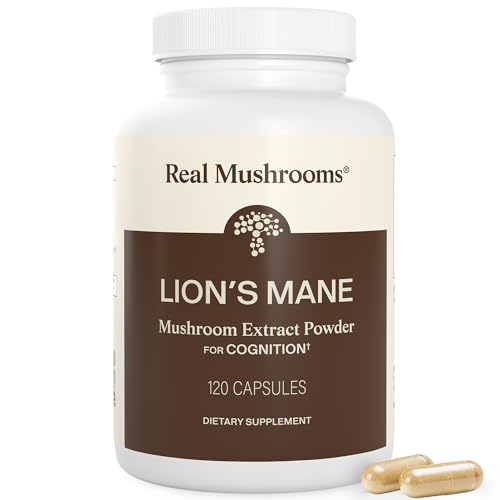




As an Amazon Associate we may earn from qualifying purchases, at no cost to you. 21+.
Questions, answered
How do you cook lion's mane mushroom?
Dry-sear it first: cook sliced lion's mane in a hot, dry pan with no oil for a few minutes to release its water, then add butter or oil and brown it until golden. Do not crowd the pan, or it steams instead of browning. From there, finish with garlic and lemon, or use it in pasta, tacos, or crab cakes. Always cook it through rather than eating it raw.
Why does lion's mane taste like crab or lobster?
It is the texture more than the flavor. Fresh lion's mane shreds into tender, flaky strands when seared, which feels remarkably like crab or lobster meat, which is why it is popular in vegetarian crab cakes and seafood-style dishes. The flavor itself is mild, a little sweet, and savory, so it takes on whatever you season it with.
What is the best pan for cooking lion's mane?
A well-seasoned cast iron skillet. The dry-sear needs high, steady, even heat, and cast iron holds heat far better than a thin nonstick pan, so the mushroom keeps searing instead of steaming. A 12-inch skillet also gives you room to keep the pieces in a single layer so they brown rather than crowd.
How do you store fresh lion's mane?
Keep it in a paper bag in the fridge (not sealed plastic, which traps moisture and makes it slimy) and use it within about a week. Do not wash it until you cook, and never soak it. For a big harvest, dry-sear then freeze in portions, or dehydrate it for soups and stocks.
Where can I buy or get fresh lion's mane?
It is a specialty item that many grocers do not stock, though farmers markets and specialty grocers sometimes carry it. The most reliable source is to grow your own from a countertop kit, which harvests fresh fruiting bodies in one to two weeks. See our best lion's mane grow kits guide for the blocks worth buying.
Does cooking destroy lion's mane's benefits?
Not in normal cooking, the fresh mushroom is meant to be cooked. Keep expectations honest, though: lion's mane's cognitive reputation rests on preclinical (lab and animal) research, not proven human outcomes from a recipe. Enjoy it as a delicious mushroom; if you want a dose-controlled product, that is what a supplement is for. This is culinary information, not medical advice, and these statements have not been evaluated by the FDA.
Filed under Explainer
Ready to try one? Start with our top picks
Whatever you decide, these are the lion's mane picks our reviews keep ranking on top. Live price check on each.
As an Amazon Associate we may earn from qualifying purchases, at no cost to you. 21+.
Keep reading
The Best Lion's Mane Grow Kits (2026)
The most reliable way to get fresh lion's mane: countertop kits, ranked.
The Best Mushroom Grow Kits (2026)
Grow oyster and shiitake too, and learn which species to start with.
Lion's Mane Recipes: How to Cook It and Mix It In
More recipes, plus how to use extract powder in coffee, smoothies, and soup.
Fresh vs Supplement Lion's Mane
When fresh culinary use makes sense versus a measured extract.
How to Grow Lion's Mane at Home
The full growing method, from kit to spawn.