Lion's Mane Benefits: What the Research Actually Shows (and What It Doesn't)
An honest, careful read of the lion's mane evidence — the small human studies, the early animal and lab work, and the real limits of all of it. No hype, no disease claims, just what the research says.
By The Lion's Mane Reviews Desk · 10 min · Updated 2026-06-14
The honest short answer: the research on lion's mane is genuinely early and limited, and most of it is preliminary. The headline human study — Mori 2009 — found that older adults with mild cognitive impairment scored better on a cognitive scale after taking lion's mane for 16 weeks, but it had only 30 participants, was short, and the benefit faded after they stopped. A separate small 2010 study in menopausal women reported reduced feelings of irritation and anxiety. Most of the mechanism research — the exciting NGF and neurite-outgrowth work — is from cell and rodent studies, not proven human outcomes.
That's the whole picture in a nutshell: a couple of small, short human trials with encouraging-but-preliminary results, sitting on top of a larger body of preclinical animal and lab data. It's enough to make lion's mane genuinely interesting. It is not enough to claim it treats, prevents, or cures anything.
Below we walk through each piece of evidence, describe what it does and doesn't show, and are explicit about the limitations. Everything here is structure/function and experiential — none of it is medical advice, and none of these statements has been evaluated by the FDA.
The short version
- The evidence is early and limited: a small number of short human studies, plus a larger base of animal and lab research.
- Mori 2009: 30 older adults with mild cognitive impairment, 3g/day for 16 weeks, improved cognitive-scale scores vs placebo — but the benefit faded after they stopped taking it.
- A small 2010 study in menopausal women reported reduced feelings of irritation and anxiety over four weeks.
- The NGF / neurite-outgrowth findings that get the most attention are PRECLINICAL — in-vitro (cell) and rodent studies, not demonstrated human outcomes.
- Major limitations: small samples, short durations, and a heavy reliance on animal data. These are reasons for caution, not proof.
- Lion's mane is a supplement, not a treatment. It is not shown to treat, prevent, or cure any disease, and these statements have not been evaluated by the FDA.
| Evidence | What it looked at | What it suggests | Key limitation |
|---|---|---|---|
| Mori 2009 (human) | 30 older adults with mild cognitive impairment, 3g/day, 16 weeks | Higher cognitive-scale scores vs placebo while taking it | Small (30 people), short, and benefit faded after stopping |
| 2010 menopausal-women study (human) | A small group of women, ~4 weeks | Self-reported lower irritation and anxiety | Small sample, short, subjective self-report measures |
| NGF / neurite outgrowth (preclinical) | Cell cultures (in-vitro) and rodent studies | Hericenones/erinacines stimulate nerve growth factor in the lab | Not human outcomes — mechanism research only |
What the lion's mane evidence actually is — by study type, what each shows, and its limits. Read this before any 'benefits' claim.
What does the strongest human study (Mori 2009) actually show?
The most-cited human trial, Mori 2009, found that 30 older Japanese adults with mild cognitive impairment scored higher on a cognitive scale after taking 3 grams of lion's mane per day for 16 weeks — but the benefit faded after they stopped.
This is the study people point to when they say lion's mane is "backed by research," so it's worth describing precisely. It was a double-blind, placebo-controlled trial. The participants were 30 older adults who had mild cognitive impairment. Those taking lion's mane (3g/day) showed improved scores on a cognitive assessment compared with the placebo group over the 16-week period.
So what it shows is a preliminary, encouraging result in a specific small group. What it does not show is that lion's mane treats or prevents cognitive decline, dementia, or any disease — and it shouldn't be read that way. These statements have not been evaluated by the FDA.
What about mood — the 2010 menopausal-women study?
A small 2010 study gave lion's mane to menopausal women and reported reduced self-rated feelings of irritation and anxiety over about four weeks.
Beyond cognition, this is the other small human study that comes up. In it, a group of menopausal women consumed lion's mane (baked into cookies in the study design) for roughly four weeks, and afterward reported lower scores on measures of irritation and anxiousness compared with a placebo group.
As with all of this, these statements have not been evaluated by the FDA, and lion's mane is not intended to diagnose, treat, cure, or prevent any disease.
What does the preclinical NGF research show?
Most of the exciting lion's mane science — the nerve growth factor and neurite-outgrowth work — comes from cell-culture (in-vitro) and rodent studies, not from humans.
This is the body of research that powers most of lion's mane's online reputation, so it's the most important to frame correctly. In laboratory settings, lion's mane compounds — hericenones from the fruiting body and erinacines from the mycelium — have been shown to stimulate nerve growth factor (NGF) and to support neurite outgrowth (the extension of nerve-cell projections). In rodent studies, lion's mane has been associated with various neurological measures.
When you see lion's mane marketed with brain-regeneration or nerve-repair language, that claim is almost always borrowed from this preclinical work and stretched well beyond what it supports. These statements have not been evaluated by the FDA, and lion's mane is not intended to diagnose, treat, cure, or prevent any disease.
What are the limitations of the lion's mane evidence?
The three big limitations are small sample sizes, short durations, and heavy reliance on animal data — which together mean the human evidence is preliminary, not conclusive.
It's worth stating the weaknesses plainly, because they're the reason for measured expectations:
Small samples. The flagship human trial had just 30 participants. Small studies can produce real signals, but they can also produce results that don't replicate in larger groups.
Short durations. The human studies ran weeks (16 weeks for Mori 2009; about four weeks for the menopausal-women study), so we know little about longer-term effects — and at least one benefit faded once people stopped.
Mostly preclinical. A large share of the impressive-sounding findings are from cells and rodents. Animal and in-vitro data guide what's worth studying in humans; they don't substitute for human results.
So is lion's mane worth taking?
Lion's mane is a low-risk, generally well-tolerated supplement that some people find worth trying for general cognitive support — as long as expectations match the early, limited evidence.
Put together: there's a couple of small, encouraging human studies, a real preclinical mechanism story, a long history of culinary use, and a reassuring tolerability profile. For someone curious about a daily "brain health" mushroom, that can be reason enough to try it — provided they understand they're acting on preliminary evidence and personal experience, not a proven outcome.
Safety: lion's mane is an edible mushroom and generally well-tolerated, with mild digestive upset the most commonly reported issue. People allergic to mushrooms should avoid it, and anyone pregnant, breastfeeding, on medication, or managing a medical condition should consult a clinician first. This is not medical advice. These statements have not been evaluated by the FDA, and lion's mane is not intended to diagnose, treat, cure, or prevent any disease.
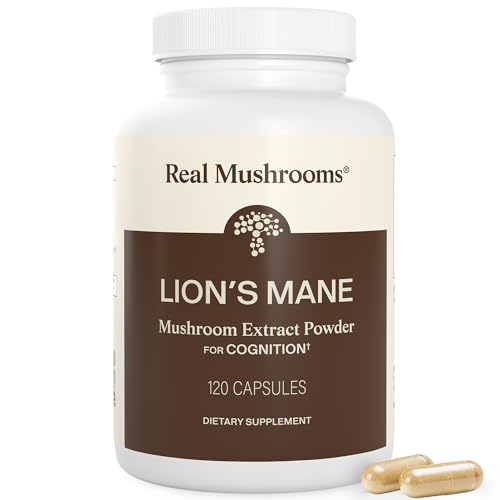
Our top-rated lion's mane
Whatever you decide, these are the lion's mane picks our reviews keep ranking on top. Live price check on each.




As an Amazon Associate we may earn from qualifying purchases, at no cost to you. 21+.
Questions, answered
What are the benefits of lion's mane?
Early research and user reports point mainly to cognitive support (focus, clarity) and, in one small study, self-reported improvements in mood. The most-cited human trial (Mori 2009) found better cognitive-scale scores in older adults with mild cognitive impairment over 16 weeks, though the benefit faded after stopping. The evidence is preliminary, and lion's mane is not shown to treat, prevent, or cure any disease. These statements have not been evaluated by the FDA.
Is lion's mane scientifically proven to work?
Not conclusively. There are a small number of short human studies with encouraging results, plus a larger body of preclinical (cell and rodent) research on nerve growth factor. That's a promising but early evidence base — not proof of human benefit. The honest framing is 'early research suggests' and 'users report,' not 'proven.'
Does lion's mane help with anxiety?
A small 2010 study in menopausal women reported reduced self-rated feelings of irritation and anxiousness over about four weeks. That's a preliminary signal on self-reported mood — it does not establish lion's mane as a treatment for anxiety, which is a medical condition. Anyone dealing with anxiety should talk to a qualified clinician. These statements have not been evaluated by the FDA.
Does lion's mane really boost NGF or repair nerves in humans?
The nerve growth factor and neurite-outgrowth findings come from in-vitro (cell) and rodent studies — they're preclinical. They show why lion's mane is studied, but they do not demonstrate that the same effects occur in people taking a supplement. Marketing that claims nerve repair or brain regeneration is stretching this preclinical work beyond what it supports.
How long does lion's mane take to show benefits?
It's not an instant effect like caffeine. The human studies looked at effects over weeks — 16 weeks in Mori 2009, about four weeks in the menopausal-women study — and at least one benefit faded after participants stopped. If you try it, it's taken daily and consistency over time is the point.
What are the main limitations of the lion's mane research?
Small sample sizes (the flagship human trial had 30 participants), short durations (weeks, not years), and heavy reliance on animal and lab data. These limitations are why the human evidence is considered preliminary rather than conclusive, and why no health or disease claims can responsibly be made.
Filed under Explainer
Part of Lion's Mane 101 · Lion's Mane, Honestly
Ready to try one? Start with our top picks
Whatever you decide, these are the lion's mane picks our reviews keep ranking on top. Live price check on each.
As an Amazon Associate we may earn from qualifying purchases, at no cost to you. 21+.
Keep reading
What Is Lion's Mane?
The mushroom, its key compounds, and why people take it — explained plainly.
Lion's Mane Fruiting Body vs Mycelium
The most important quality check before you buy, and what the label means.
The Best Lion's Mane You Can Buy Right Now
Our flagship ranking, scored on fruiting-body sourcing and disclosed beta-glucans.