What Is Lion's Mane? The Mushroom, the Compounds, and Why People Take It
A plain-English guide to Hericium erinaceus — the edible, white, cascading mushroom that's both a culinary ingredient and one of the most popular nootropic supplements — and an honest look at what it's actually studied for.
By The Lion's Mane Reviews Desk · 8 min · Updated 2026-06-14
Lion's mane is an edible mushroom — scientific name Hericium erinaceus — that grows as a white, shaggy, cascading mass resembling a lion's mane or a frozen waterfall. It's used two ways: as a culinary mushroom (it's prized for a seafood-like, crab-or-lobster texture when cooked) and, far more commonly online, as a supplement taken in capsules, gummies, coffee, powders, and tinctures.
People take lion's mane mainly for cognitive support — focus, mental clarity, and general brain health. That interest traces to two compound classes the mushroom contains: hericenones, found in the fruiting body, and erinacines, found in the mycelium. In laboratory and animal research, both have been shown to stimulate nerve growth factor (NGF). That's promising preclinical science — but it is not proof of human cognitive outcomes, and we're careful to say so.
This guide explains exactly what lion's mane is, where its key compounds live, why people take it (framed honestly), how to buy a real product, and the terms you'll see on labels.
The short version
- Lion's mane = Hericium erinaceus, an edible mushroom with a white, cascading 'mane' appearance; it's both a culinary ingredient and a popular supplement.
- The two headline compound classes are hericenones (in the fruiting body) and erinacines (in the mycelium).
- In PRECLINICAL lab and animal studies, hericenones and erinacines stimulate nerve growth factor (NGF) — this is not proven human cognitive benefit.
- People most often take it for cognitive support (focus, clarity); the human evidence is early and limited, so frame expectations honestly.
- When buying, the key check is fruiting body + a stated beta-glucan % (the standardized potency marker), backed by a certificate of analysis.
- It's generally well-tolerated, but people allergic to mushrooms should avoid it, and anyone pregnant, breastfeeding, or on medication should consult a clinician.
What exactly is lion's mane?
Lion's mane is an edible mushroom, Hericium erinaceus, recognizable by its white, shaggy, cascading spines that look like a lion's mane or an icicle-covered waterfall. It grows naturally on hardwood trees, especially older or dead oak and beech.
Unlike a typical cap-and-stem mushroom, lion's mane has no cap and no gills. Instead it forms a rounded mass of long, soft, downward-hanging spines. That distinctive look gives it most of its common names — bearded tooth mushroom, monkey head mushroom, pom-pom mushroom, and the Japanese yamabushitake.
It has a long history of traditional use in East Asian food and folk practice, and over the last decade it's become one of the most popular "nootropic" mushrooms in the Western supplement market.
What are the key compounds in lion's mane?
Lion's mane has two headline compound classes that live in different parts of the organism: hericenones in the fruiting body, and erinacines in the mycelium. Both are studied in preclinical research for stimulating nerve growth factor (NGF).
Understanding this split is the key to the whole category:
Hericenones are alcohol-soluble compounds found in the fruiting body — the actual mushroom. Erinacines are a separate class that concentrates in the mycelium, the root-like network the fungus forms before it fruits. There's also a third important component, beta-glucans — the cell-wall polysaccharides used as the standardized potency marker for mushroom extracts.
This compound split is also why product sourcing matters so much, which we cover in our fruiting body vs mycelium guide.
Why do people take lion's mane?
People take lion's mane mostly for cognitive support — focus, mental clarity, and general brain health — but the human evidence is early and limited, so it's best framed as something users explore rather than a guaranteed effect.
The most common reasons people reach for lion's mane are subjective and structure/function in nature: they want help feeling sharp, focused, and clear-headed. Some take it as a daily "brain health" mushroom alongside other wellness habits. Because the popular interest is downstream of the NGF research, expectations sometimes run ahead of the evidence.
For a careful walk-through of exactly what the studies do and don't show — including their small sample sizes and short durations — see our lion's mane benefits guide. Nothing here is medical advice; these statements have not been evaluated by the FDA, and lion's mane is not intended to diagnose, treat, cure, or prevent any disease.
How do you take lion's mane, and how do you buy a good one?
Lion's mane comes as capsules, gummies, coffee, powders, and tinctures — and the single most important quality check is fruiting body plus a stated beta-glucan percentage, backed by a certificate of analysis.
The format is mostly about your routine: capsules for a consistent fixed dose, gummies for the lowest-friction flavored option, coffee if you want it folded into a habit you already have, powder for flexibility and value, tinctures for a quick liquid add-in. None of those is automatically "stronger" — the quality lives in the extract, not the format.
Is lion's mane safe?
Lion's mane is an edible mushroom and is generally well-tolerated in studies, with mild digestive upset being the most commonly reported issue — but anyone allergic to mushrooms should avoid it.
As a food-grade mushroom with a long history of culinary use, lion's mane has a reassuring tolerability profile in the research, where reported side effects are typically mild and digestive. Still, a few sensible cautions apply:
None of this is medical advice. These statements have not been evaluated by the FDA, and lion's mane is not intended to diagnose, treat, cure, or prevent any disease.
Key terms
- Hericium erinaceus
- The scientific name for lion's mane — an edible mushroom in the tooth-fungus group, named for its white, cascading, mane-like appearance. Also called bearded tooth, monkey head, or yamabushitake.
- Hericenones
- An alcohol-soluble compound class found in the lion's mane fruiting body. Studied in preclinical (lab and animal) research for stimulating nerve growth factor; not proven to produce cognitive effects in humans.
- Erinacines
- A compound class that concentrates in the lion's mane mycelium (not the fruiting body). Like hericenones, studied in preclinical research for nerve-growth-factor activity; human effects are not established.
- Beta-glucans
- Cell-wall polysaccharides used as the standardized potency marker for medicinal-mushroom extracts. A stated beta-glucan percentage on the label is the most reliable signal of how much real fruiting-body extract a product contains.
- NGF (nerve growth factor)
- A protein involved in the growth and maintenance of certain nerve cells. Lion's mane compounds stimulate NGF in laboratory studies — a mechanism of research interest, not a demonstrated human health outcome.
- Fruiting body
- The actual mushroom — the white, visible 'mane.' It's where hericenones and beta-glucans concentrate, and the part most quality supplements are made from.
- Mycelium
- The root-like network of fungal threads that grows before the mushroom fruits. Erinacines concentrate here, but cheap supplements grow it on grain and dry it with the starch, diluting the product.
- Dual extraction
- Extracting a mushroom with both hot water (which pulls water-soluble beta-glucans) and alcohol/ethanol (which pulls alcohol-soluble compounds like hericenones), so the finished product captures both families.
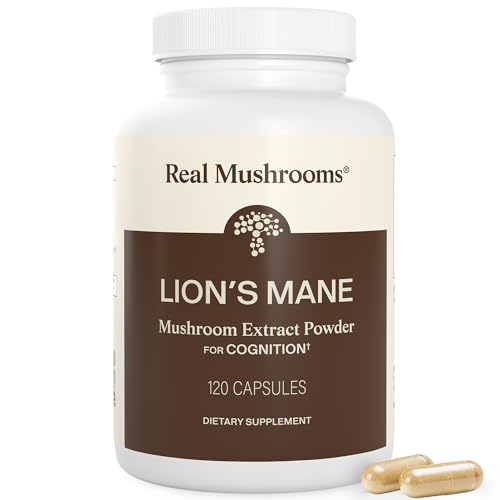
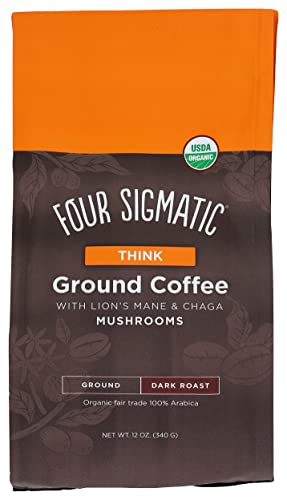
Our top-rated lion's mane
Whatever you decide, these are the lion's mane picks our reviews keep ranking on top. Live price check on each.



As an Amazon Associate we may earn from qualifying purchases, at no cost to you. 21+.
Questions, answered
What is lion's mane?
Lion's mane is an edible mushroom, scientific name Hericium erinaceus, known for its white, shaggy, cascading appearance. It's used both as a culinary mushroom (with a seafood-like texture when cooked) and, more commonly, as a supplement taken in capsules, gummies, coffee, powders, and tinctures — mostly for cognitive support.
What is lion's mane good for?
People most often take it for cognitive support — focus, mental clarity, and general brain health. That interest comes from preclinical research on its hericenones and erinacines stimulating nerve growth factor, but the human evidence is early and limited, so it's best framed as something users explore, not a proven outcome. These statements have not been evaluated by the FDA, and lion's mane is not intended to diagnose, treat, cure, or prevent any disease.
What are hericenones and erinacines?
They're the two headline compound classes in lion's mane. Hericenones are found in the fruiting body (the mushroom itself); erinacines concentrate in the mycelium (the root-like network). Both are studied in laboratory and animal research for stimulating nerve growth factor — promising preclinical science, not proven human effects.
Can you eat lion's mane as food?
Yes. Lion's mane is a genuine culinary mushroom. Cooked, it has a meaty, seafood-like texture often compared to crab or lobster, and it's commonly sautéed or seared. The supplement versions are dried and processed into concentrated extracts rather than eaten whole.
Is lion's mane a drug or a stimulant?
No. Lion's mane is a dietary supplement and a food mushroom, not a drug or a stimulant. It doesn't produce an instant effect like caffeine; it's taken daily, and both users and studies look at it over weeks. These statements have not been evaluated by the FDA.
How do I choose a good lion's mane product?
Look for fruiting body (the actual mushroom) and a stated beta-glucan percentage (the standardized potency marker), ideally backed by a published certificate of analysis. Be wary of 'mycelium' grown on grain and of labels that quote 'total polysaccharides' or a big 'extract ratio' without naming a beta-glucan figure.
Filed under Explainer
Part of Lion's Mane 101
Ready to try one? Start with our top picks
Whatever you decide, these are the lion's mane picks our reviews keep ranking on top. Live price check on each.
As an Amazon Associate we may earn from qualifying purchases, at no cost to you. 21+.
Keep reading
Lion's Mane Fruiting Body vs Mycelium
The single most important thing to check before you buy — and what the label really means.
Lion's Mane Benefits: What the Research Shows
An honest look at the human studies and the limits of the evidence.
The Best Lion's Mane You Can Buy Right Now
Our flagship ranking across every format, scored on sourcing and disclosed beta-glucans.