Lion's Mane vs Reishi: Which Functional Mushroom Is Right for You?
Two of the most popular functional mushrooms do nearly opposite jobs — lion's mane for cognitive and nerve support, reishi for calm, stress, and sleep. Here's how to pick, and why many people take both.
By The Lion's Mane Reviews Desk · 8 min · Updated 2026-06-14
Short answer: choose lion's mane if your goal is focus, memory, and nerve support, and choose reishi if your goal is calm, stress relief, and better sleep. They're both medicinal mushrooms, but they're studied and used for almost opposite purposes — lion's mane is the daytime "clarity" mushroom, reishi is the evening "wind-down" mushroom.
Lion's mane (Hericium erinaceus) is prized for compounds called hericenones and erinacines, which stimulate Nerve Growth Factor in laboratory and animal research. Reishi (Ganoderma lucidum) — the "mushroom of immortality" in traditional Chinese medicine — is prized for triterpenes and beta-glucans and has a centuries-long reputation as a calming, immune-supporting tonic.
You don't have to choose one forever. Lion's mane and reishi pair naturally — one for the day, one for the night — which is exactly why so many mushroom blends include both. This guide breaks down what each does, who should pick which, and how to stack them.
The short version
- Lion's mane = cognitive and nerve support (focus, memory, mental clarity). It's the daytime mushroom.
- Reishi = calm, stress relief, sleep, and immune support. It's the evening, wind-down mushroom.
- Lion's mane's signature compounds are hericenones and erinacines, studied in PRECLINICAL lab and animal work for stimulating Nerve Growth Factor — not proven human outcomes.
- Reishi's signature compounds are triterpenes (the bitter, calming fraction) and beta-glucans (immune-active polysaccharides); it has a long traditional use as a calming tonic.
- Take lion's mane in the morning for clarity; take reishi in the evening for relaxation and sleep.
- You can stack both — many functional-mushroom blends combine lion's mane and reishi precisely because they cover opposite ends of the day.
- Both are edible mushrooms and generally well-tolerated; the main caution is mushroom allergy, plus checking with a clinician if you're pregnant, breastfeeding, or on medication.
| Lion's Mane | Reishi | |
|---|---|---|
| Best for | Focus, memory, mental clarity, nerve support | Calm, stress relief, sleep, immune support |
| Key compounds | Hericenones (fruiting body) + erinacines (mycelium); beta-glucans | Triterpenes (ganoderic acids) + beta-glucans |
| Evidence base | Early human trials + preclinical NGF research; promising but limited | Long traditional use; human research mostly on immune markers and fatigue/quality of life |
| Time of day | Morning / daytime | Evening / before bed |
| The feel people describe | Clearer head, steady focus (gradual, builds over weeks) | Settled, relaxed, easier wind-down (no sedative "knockout") |
Lion's mane vs reishi — they do nearly opposite jobs. Match the mushroom to the goal and the time of day.
What is lion's mane best for?
Lion's mane is the cognitive and nerve-support mushroom — people take it for focus, memory, and mental clarity, and its signature compounds (hericenones and erinacines) are studied in preclinical research for stimulating Nerve Growth Factor.
Lion's mane (Hericium erinaceus) is the white, shaggy, cascading mushroom that looks like its namesake. What sets it apart from every other functional mushroom is its two distinctive compound families: hericenones, found in the fruiting body, and erinacines, found in the mycelium. Both are studied in laboratory and animal work for their effect on Nerve Growth Factor (NGF), a protein involved in the maintenance of nerve cells.
What users actually report is subtle and gradual: a clearer head and steadier focus that builds over weeks of daily use, not a same-day jolt. It's caffeine-free, so it pairs with — rather than replaces — your morning coffee. These statements have not been evaluated by the FDA, and lion's mane is not intended to diagnose, treat, cure, or prevent any disease.
What is reishi best for?
Reishi is the calming, wind-down mushroom — traditionally used for relaxation, stress, sleep, and immune support, with triterpenes and beta-glucans as its signature compounds.
Reishi (Ganoderma lucidum) is a woody, bitter, kidney-shaped mushroom that's been used in traditional Chinese medicine for over two thousand years, where it earned the nickname "the mushroom of immortality." Where lion's mane is the daytime clarity mushroom, reishi is the evening tonic. Its two headline fractions are triterpenes (the bitter, calming ganoderic acids that give reishi its characteristic taste) and beta-glucans (the immune-active polysaccharides shared across medicinal mushrooms).
What people describe is a settled, relaxed feeling that makes winding down easier — not a knockout sedation. That's why it's typically taken in the evening. As with all mushrooms, these statements have not been evaluated by the FDA, and reishi is not intended to diagnose, treat, cure, or prevent any disease.
Lion's mane vs reishi: which should you choose?
Match the mushroom to the job: choose lion's mane for daytime focus and nerve support, and reishi for evening calm and sleep — they sit at opposite ends of the day.
The decision is unusually clean for two products in the same category, because they don't really overlap:
Choose lion's mane if your goal is mental — focus, memory, clarity, or general nerve support — and you want something to take in the morning. It's the cognitive mushroom.
Choose reishi if your goal is to take the edge off — stress, tension, restless evenings, or general immune support — and you want something for the end of the day. It's the relaxation mushroom.
If lion's mane is your target, our flagship ranking of the best lion's mane you can buy scores products on fruiting-body sourcing and disclosed beta-glucans — the same sourcing logic applies to reishi.
Can you take lion's mane and reishi together?
Yes — lion's mane and reishi stack naturally, one for the day and one for the night, which is exactly why so many functional-mushroom blends include both.
Because the two mushrooms cover opposite ends of the day, they complement each other rather than compete. A common routine is lion's mane in the morning for focus and reishi in the evening to wind down. They're different species with different signature compounds, so taking both simply gives you broader coverage — cognitive support during the day, calm and immune support at night.
One practical caution: more mushrooms means more to react to if you have a sensitivity. Both are edible mushrooms and generally well-tolerated, but people with mushroom allergies should avoid them, and anyone pregnant, breastfeeding, on medication, or with a medical condition should check with a clinician first. This isn't medical advice; these statements have not been evaluated by the FDA.
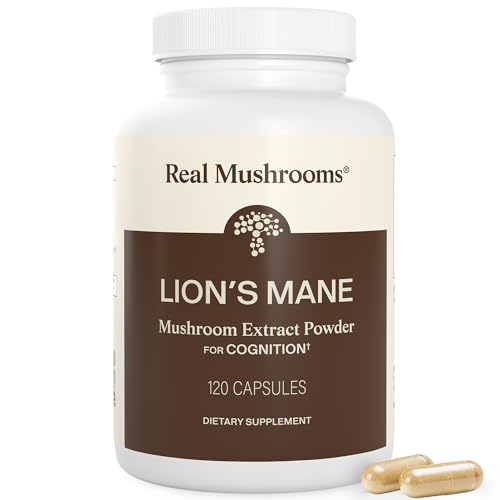
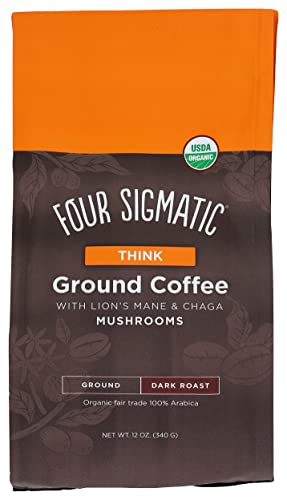
Our top-rated lion's mane
Whatever you decide, these are the lion's mane picks our reviews keep ranking on top. Live price check on each.



As an Amazon Associate we may earn from qualifying purchases, at no cost to you. 21+.
Questions, answered
What's the difference between lion's mane and reishi?
Lion's mane is the cognitive mushroom — people take it for focus, memory, and nerve support, and its hericenones and erinacines are studied in preclinical research for stimulating Nerve Growth Factor. Reishi is the calming mushroom — traditionally used for relaxation, stress, sleep, and immune support, with triterpenes and beta-glucans as its signature compounds. In short: lion's mane is daytime clarity, reishi is evening wind-down.
Should I take lion's mane or reishi for sleep?
Reishi. It's traditionally used as a calming, wind-down tonic and is typically taken in the evening, while lion's mane is a daytime focus mushroom that won't help you relax at night. That said, reishi should be thought of as a traditionally calming botanical rather than a sedative drug, and much of its human research looks at immune markers and fatigue rather than sleep specifically.
Can you take lion's mane and reishi together?
Yes. Because they cover opposite ends of the day — lion's mane for daytime focus, reishi for evening calm — they stack naturally, which is why many functional-mushroom blends include both. Take lion's mane in the morning and reishi in the evening. As with any new supplement, check with a clinician if you're pregnant, breastfeeding, or on medication, and avoid both if you're allergic to mushrooms.
Is reishi a nootropic like lion's mane?
Not really. Lion's mane is the one studied specifically for cognitive and nerve support, so it's the one usually called a nootropic. Reishi is an adaptogen-like calming tonic — its reputation is built on relaxation, stress, and immune support, not on sharpening focus. They're complementary, not interchangeable.
Which has stronger scientific evidence, lion's mane or reishi?
Both have limited, early human evidence and should be described honestly. Lion's mane has a handful of small human trials plus promising preclinical NGF research. Reishi has a very long history of traditional use and human research that mostly looks at immune parameters, fatigue, and quality of life rather than at any single proven outcome. Neither is a proven treatment; these statements have not been evaluated by the FDA.
Are lion's mane and reishi safe?
Both are edible mushrooms and are generally well-tolerated in studies, with mild digestive upset being the most commonly reported issue. The main caution is allergy — people allergic to mushrooms should avoid them — and anyone pregnant, breastfeeding, on medication, or with a medical condition should check with a clinician first. This isn't medical advice, and these statements haven't been evaluated by the FDA; neither mushroom is intended to diagnose, treat, cure, or prevent any disease.
Filed under Comparison
Ready to try one? Start with our top picks
Whatever you decide, these are the lion's mane picks our reviews keep ranking on top. Live price check on each.
As an Amazon Associate we may earn from qualifying purchases, at no cost to you. 21+.
Keep reading
The Best Lion's Mane You Can Buy Right Now
Our flagship ranking, scored on fruiting-body sourcing and disclosed beta-glucans.
Lion's Mane vs Cordyceps
Brain mushroom vs energy-and-endurance mushroom — how to choose.
Fruiting Body vs Mycelium: The Lion's Mane Label Guide
The single most important thing to check before you buy any mushroom extract.
Lion's Mane Benefits: What the Research Shows
An honest look at the human studies and the limits of the evidence.