Explainer
63 guides
Explainer
Lion's Mane and ADHD: What the Research Actually Shows
People ask whether lion's mane helps with ADHD more than almost any other question we get. The honest answer starts with a number: zero. Here is every relevant study, what it found, and what that means if you are thinking of trying it.
Read the guide →9 min
Explainer
Lion's Mane Morning or Night? The Best Time to Take It, by Product
Plain lion's mane has no caffeine and no clock. The right time depends entirely on what it is blended with and what habit you will actually keep. Here is the timing rule for every product type.
Read the guide →7 min
Explainer
Lion's Mane Extract vs Powder: Which Should You Buy, and How Much?
A scoop of whole-mushroom powder and a capsule of extract are not the same dose, and most labels will not tell you the difference. Here is what each one is, how the human trials dosed them, and which to pick.
Read the guide →8 min
Comparison
Real Mushrooms vs Double Wood Lion's Mane: Is the Premium Worth $15?
Same capsule count, fifteen dollars apart. One states its beta-glucan content and publishes lab results; the other is the cheapest credible organic lion's mane capsule on Amazon. Here is what the price gap actually buys.
Read the guide →7 min
Comparison
IQJOE vs Four Sigmatic: Instant Sticks or Ground Mushroom Coffee?
The zero-sugar instant stick from the IQBAR company against the brand that made mushroom coffee a category. One wins on convenience, the other on what it tells you about the mushroom. Here is how to choose.
Read the guide →7 min
Comparison
Troop vs Mojo: Which Lion's Mane Gummy Should You Buy?
One is a single-mushroom gummy built on 100% fruiting body. The other is a focus stack that happens to be a gummy. They answer different questions, and the right jar depends on which one you are asking.
Read the guide →7 min
Comparison
Real Mushrooms vs Om Lion's Mane: Extract vs Whole-Food Powder
Two of the most-bought lion's mane brands on Amazon take opposite approaches. Real Mushrooms sells a fruiting-body extract with a stated beta-glucan number; Om grows its own mushrooms and mills them whole. Which one should you actually buy?
Read the guide →8 min
Explainer
Fresh vs Supplement Lion's Mane: Which One You Actually Want
Fresh lion's mane is a delicious food; a lion's mane supplement is a measured, verifiable daily dose. They are not competing versions of the same thing, they answer different questions. Here is the honest way to decide which one is for you.
Read the guide →9 min
Explainer
How to Cook Lion's Mane: The Dry-Sear, Crab Cakes & Storage
Fresh lion's mane cooks into a tender, crab-like texture, but only if you sear it right. Here is the one technique that decides everything, the crab-cake dish it is famous for, how to store it, and the pan that does it best.
Read the guide →10 min
Explainer
Lion's Mane Comparison Chart: Every Brand We Review, Side by Side
One table for the whole category: every lion's mane product we review, with its form, extract type, fruiting body vs mycelium sourcing, live-verified price, and per-serving cost, each linked to our full review. Bookmark this page; we refresh the data.
Read the guide →9 min
Comparison
Troop vs Auri: The Mushroom Gummy Head-to-Head
The two gummy brands everyone asks about, compared honestly. Troop leads with fruiting-body disclosure; Auri leads with a viral 12-mushroom blend. Which jar actually earns the counter spot?
Read the guide →8 min
Comparison
Om vs Four Sigmatic: The Mushroom Coffee Giants, Compared
Two of the biggest names in functional mushrooms make very different coffees. Om is the grower with a whole-food philosophy; Four Sigmatic is the pioneer with an extract philosophy. Here is the honest head-to-head, with live-verified prices.
Read the guide →9 min
Comparison
Double Wood vs Nootropics Depot: Value or Potency?
Two of the most recommended lion's mane capsules on the internet, built for different buyers. Double Wood is the honest budget pick; Nootropics Depot is the potency-and-testing specialist. Here is exactly where each one wins, and which bottle belongs on your shelf.
Read the guide →9 min
Comparison
RYZE vs MUD\WTR: Which One Fits Your Morning?
The two most viral names in functional morning drinks are not actually the same product. RYZE is a smoother, lower-caffeine coffee; MUD\WTR is not coffee at all. Here is exactly how they differ, and which buyer each one suits.
Read the guide →8 min
Comparison
Lifeboost vs Four Sigmatic: Coffee-First or Mushroom-First?
Two full-caffeine ground coffees with lion's mane, built from opposite directions. Lifeboost is a specialty low-acid coffee that added mushrooms; Four Sigmatic is a mushroom company that makes coffee. Here is exactly how they differ, and which buyer each one suits.
Read the guide →8 min
Comparison
Lion's Mane vs Tongkat Ali (2026): Different Jobs, Honestly Compared
Lion's mane is a mushroom for focus, memory, and nerve support. Tongkat ali is a Southeast Asian herb traditionally used for energy and vitality. They aren't rivals — they target different things, and some people take both.
Read the guide →7 min
Comparison
Lion's Mane vs Rhodiola (2026): Which Adaptogen Wins?
Lion's mane is a mushroom for focus and nerve support; rhodiola is an adaptogenic herb traditionally used for energy, stress, and fatigue. They're aimed at different problems — here's how to choose, and why many people take both.
Read the guide →7 min
Explainer
What Is Lion's Mane? The Mushroom, the Compounds, and Why People Take It
A plain-English guide to Hericium erinaceus — the edible, white, cascading mushroom that's both a culinary ingredient and one of the most popular nootropic supplements — and an honest look at what it's actually studied for.
Read the guide →8 min
Explainer
What Does Lion's Mane Actually Do? An Honest Overview
Lion's mane is studied and used mainly for cognition — focus, memory, and a nerve-related mechanism — but the human evidence is early, and it's not a stimulant or a cure. Here's a straight account of what it does, what it doesn't, and what to realistically expect.
Read the guide →9 min
Comparison
RYZE vs Everyday Dose: Which Mushroom Coffee Wins?
Two of the most popular instant mushroom coffees, compared on the things that matter — sourcing transparency, caffeine, ingredients, and price.
Read the guide →7 min
Comparison
Real Mushrooms vs Nootropics Depot: Simplicity vs Potency
Two of the most transparent brands in the lion's mane category go head-to-head — Real Mushrooms' clean 100% fruiting body with public COAs vs Nootropics Depot's concentrated 8:1 dual extract and deep lab analytics. There's no loser here; pick the philosophy that fits you.
Read the guide →9 min
Comparison
Real Mushrooms vs Host Defense: The Fruiting Body vs Mycelium Showdown
Two of the most trusted names in mushroom supplements sit on opposite sides of the industry's biggest debate — Real Mushrooms' 100% fruiting body vs Host Defense's mycelium-on-grain. Here's the honest head-to-head.
Read the guide →9 min
Comparison
Real Mushrooms vs FreshCap: Two Transparency Leaders, Compared
This is the rare comparison where both brands are doing it right — 100% fruiting body, no grain, real testing. FreshCap states a higher beta-glucan number; Real Mushrooms offers a broader range and published batch COAs. Here's the honest, narrow split.
Read the guide →8 min
Comparison
Lion's Mane Water Extract vs Dual Extract: Which Is Better?
Water-only extraction pulls the beta-glucans that standardize a mushroom's potency. Dual extraction adds an ethanol step that also pulls the alcohol-soluble hericenones — the compounds unique to lion's mane. Here's why dual is the more complete method, and when a hot-water extract is still all you need.
Read the guide →9 min
Comparison
Lion's Mane vs Reishi: Which Functional Mushroom Is Right for You?
Two of the most popular functional mushrooms do nearly opposite jobs — lion's mane for cognitive and nerve support, reishi for calm, stress, and sleep. Here's how to pick, and why many people take both.
Read the guide →8 min
Comparison
Lion's Mane vs L-Theanine: Different Jobs, and They Pair Well
Lion's mane is a mushroom for gradual, long-term cognitive support; L-theanine is an amino acid from tea for an acute sense of calm focus — especially alongside caffeine. They're not really rivals. Here's how each works and why people combine them.
Read the guide →8 min
Comparison
Lion's Mane vs Ginkgo Biloba: Mushroom vs Herb for the Brain
Both get talked about for memory and focus, but they're completely different things working in completely different ways — one a functional mushroom, the other one of the most-studied herbs in the world. Here's the honest comparison.
Read the guide →8 min
Comparison
Lion's Mane vs Cordyceps: Which Mushroom Is Right for You?
Both are popular functional mushrooms, but they're aimed at different things: lion's mane is the cognitive and nerve-support mushroom, while cordyceps is the energy, stamina, and exercise one. Here's how they compare — and why you can take both.
Read the guide →8 min
Comparison
Lion's Mane vs Coffee: Caffeine or Cognition?
They get lumped together as 'brain' drinks, but they work in completely different ways: coffee gives you immediate caffeine alertness, while lion's mane is a caffeine-free, slow-building mushroom. Here's how they compare — and why the smartest move is often to combine them.
Read the guide →8 min
Comparison
Lion's Mane vs Chaga: Which Mushroom Should You Take?
Lion's mane is the cognitive/nerve mushroom; chaga is the antioxidant/immune one. They do different jobs — and they're often blended for exactly that reason.
Read the guide →7 min
Comparison
Lion's Mane vs Caffeine: Why They're Not the Same Thing at All
People reach for lion's mane expecting a coffee-like lift — and it doesn't work that way. Lion's mane is not a stimulant. Here's how it actually differs from caffeine, and why the two pair so well together.
Read the guide →8 min
Comparison
Lion's Mane vs Bacopa Monnieri: Two Slow-Build Nootropics Compared
Both are taken daily for the long game rather than an instant lift — but one is a mushroom and the other an Ayurvedic herb, and their evidence profiles are genuinely different. Here's the honest head-to-head.
Read the guide →8 min
Comparison
Lion's Mane vs Ashwagandha: A Mushroom and an Herb for Different Jobs
Lion's mane is a mushroom for focus and nerve support; ashwagandha is an adaptogenic herb best known for stress and cortisol. They target different problems — and many people take both.
Read the guide →8 min
Comparison
Lion's Mane vs Alpha-GPC: Two Different Tools for the Brain
They get compared, but they're not really rivals. Lion's mane is a mushroom studied for gradual, long-term support; Alpha-GPC is a choline compound that feeds acute focus. Here's how each works, what the evidence says, and why you might stack them.
Read the guide →9 min
Comparison
Lion's Mane vs Adderall: An Honest Comparison
These get compared online, but they're not in the same category. One is a prescription stimulant medication; the other is a food-based mushroom supplement. Here's the honest picture — and why lion's mane is not a replacement for prescribed medication.
Read the guide →6 min
Explainer
Lion's Mane Tea: How To Brew It, What It Tastes Like, and Whether It's Worth It
You can make lion's mane tea by gently simmering dried mushroom, stirring an extract powder into hot water, or dropping a tincture into a mug — all easy. Here's exactly how, what to expect from the taste, and how it stacks up against capsules and mushroom coffee.
Read the guide →9 min
Explainer
Lion's Mane Stack: What to Pair It With (Honestly)
The most popular things to stack with lion's mane — L-theanine, cordyceps, reishi, caffeine, and B vitamins — and an honest look at which combinations have real backing versus which are simply sensible pairings people enjoy.
Read the guide →9 min
Explainer
Lion's Mane Side Effects: What You Should Know
Lion's mane is an edible mushroom and is generally well-tolerated in studies. The most commonly reported issue is mild digestive upset — and the one caution that genuinely matters is mushroom allergy. Here's an honest look at safety.
Read the guide →8 min
Explainer
Lion's Mane on Reddit: What the Community Actually Says
Browse r/Nootropics or any supplement forum and the same handful of themes come up about lion's mane again and again — the focus anecdotes, the fierce fruiting-body-vs-mycelium debate, the honest 'does nothing for me' crowd, and the rare low-mood reports a few discuss. Here's a balanced read of those recurring threads, and where anecdotes end and evidence begins.
Read the guide →9 min
Explainer
Lion's Mane Recipes: How to Cook It and Mix It In
Fresh lion's mane has a famously crab- or lobster-like texture that sears beautifully, while extract powder stirs into coffee, smoothies, and soup. Here's how to do both — the simple, repeatable ways to actually eat your lion's mane.
Read the guide →9 min
Comparison
Lion's Mane Powder vs Capsules: Which Should You Buy?
Same mushroom, same active compounds — two very different ways to take it. Powder is the cheapest per gram and the most flexible (it disappears into your coffee), but it has an earthy taste and needs a scoop. Capsules are grab-and-go, tasteless, and fixed-dose, but you pay a little more for the convenience. Here's which is right for you.
Read the guide →9 min
Explainer
Lion's Mane Microdosing: What It Actually Means
First, the important part: lion's mane is not a psychedelic. "Microdosing lion's mane" just means taking a small, consistent daily amount — and it's where the famous Stamets Stack comes in.
Read the guide →6 min
Comparison
Lion's Mane Gummies vs Capsules: Which Should You Buy?
Gummies are the easiest, friendliest way to take lion's mane; capsules give you more extract, no sugar, and the most verifiable dose. Neither is 'better' — it depends on what you'll actually stick with. Here's the honest comparison.
Read the guide →8 min
Explainer
Lion's Mane Extract Ratio Explained: What 8:1 and 14:1 Really Mean
An extract ratio tells you how much raw mushroom went into the concentrate — but on its own it tells you nothing about potency. Here's what 8:1 and 14:1 actually mean, and why you must read the ratio next to a beta-glucan percentage.
Read the guide →9 min
Explainer
Lion's Mane On An Empty Stomach: With Or Without Food?
You can take lion's mane with or without food — it's generally fine either way. The only reason to prefer food is comfort: mild stomach upset is the most commonly reported issue, and a meal usually settles it. Consistency matters far more than whether your stomach is empty.
Read the guide →8 min
Explainer
Lion's Mane Dosage: How Much to Take Per Day, by Form
The human trials used 1.8 to 3.2 grams of fruiting-body powder a day, or about 1 gram of a concentrated extract, taken daily for 4 to 16 weeks. The milligram number on a bottle means nothing without the form behind it. Here is the dose by form, with the studies.
Read the guide →11 min
Explainer
Do You Need to Cycle Lion's Mane?
Short version: no — there's no established need to cycle lion's mane. It's an edible mushroom that was taken daily and continuously in the research, and tolerance isn't well-documented. Some people choose to cycle anyway, and that's fine. Here's the honest, practical breakdown.
Read the guide →7 min
Explainer
Lion's Mane Benefits: What the Research Actually Shows (and What It Doesn't)
An honest, careful read of the lion's mane evidence — the small human studies, the early animal and lab work, and the real limits of all of it. No hype, no disease claims, just what the research says.
Read the guide →10 min
Explainer
Can You Take Lion's Mane Before Bed? (At Night, Explained)
Plain lion's mane is caffeine-free, so a capsule, gummy, or powder taken at night usually won't keep you up — but it isn't a sleep aid either. The only real rule is caffeine: take mushroom-coffee versions in the morning, not the evening.
Read the guide →8 min
Explainer
Lion's Mane and Coffee: Can You Take Them Together?
Yes — and it's such a natural pairing that an entire product category (mushroom coffee) is built on it. Here's why they go together, the two ways to combine them, and the timing that makes it work.
Read the guide →8 min
Explainer
Lion's Mane and Alcohol: Can You Take Them Together?
There's no known dangerous interaction between lion's mane and a normal amount of alcohol — but there's no benefit to combining them either, and alcohol works directly against the cognitive goals most people take lion's mane for. Here's the honest, practical picture.
Read the guide →7 min
Explainer
Is Lion's Mane Safe? An Honest Safety Deep-Dive
Lion's mane is an edible mushroom that's generally well-tolerated in the studies done so far. For most healthy adults the risk is low — but a few groups should be careful, and there's one caution that genuinely matters: mushroom allergy.
Read the guide →9 min
Explainer
How To Take Lion's Mane: A Simple, By-Format Guide
Pick a verified fruiting-body product, start with one labeled serving, take it with food, and stay consistent for several weeks — that's the whole method. Here's exactly how to do it, by format.
Read the guide →9 min
Explainer
How to Read a Mushroom COA (Lion's Mane Edition)
A certificate of analysis is the one document that tells you whether you're buying real mushroom extract or grain-grown filler. Here's exactly what to look for — the beta-glucan number, the alpha-glucan tell, and how to spot diluted mycelium at a glance.
Read the guide →10 min
Explainer
How to Grow Lion's Mane at Home
The easiest way to grow your own lion's mane is a pre-inoculated grow kit — mist it twice a day and you'll be harvesting real fruiting bodies in one to two weeks. Here's the simple path, plus what's involved if you want to grow from scratch.
Read the guide →9 min
Explainer
How Long Does Lion's Mane Take To Work? A Realistic Timeline
Lion's mane is gradual, not caffeine-like — the studies that found effects ran for weeks, not days. The most-cited human trial ran 16 weeks. Here's a realistic timeline and why consistency is the whole game.
Read the guide →8 min
Comparison
Host Defense vs Nootropics Depot: Trusted Name vs Lab-Tested Transparency
A famous mycologist's certified-organic mycelium against a community-trusted, obsessively-tested fruiting-body dual extract. One leans on heritage; the other leans on disclosure. Here's the honest head-to-head.
Read the guide →9 min
Explainer
Hericenones vs Erinacines: Lion's Mane's Two Active Compounds, Explained
Lion's mane's two most-studied compound families live in different parts of the mushroom — and that single fact is why the fruiting-body vs mycelium debate matters. Here's what each does and where it comes from.
Read the guide →7 min
Explainer
Lion's Mane Fruiting Body vs Mycelium: What the Label Actually Means
The single most important thing to check before you buy lion's mane — what fruiting body and mycelium-on-grain really are, why one is usually diluted with starch, and the number on the label that settles it.
Read the guide →9 min
Comparison
Four Sigmatic vs RYZE: Which Mushroom Coffee Wins?
The two best-known names in mushroom coffee, head to head. Four Sigmatic is the transparent, fruiting-body original you can brew yourself; RYZE is the viral, ultra-convenient instant blend. Here's exactly how they differ — and which one is right for you.
Read the guide →8 min
Comparison
Four Sigmatic vs Everyday Dose: Which Mushroom Coffee?
Two very different takes on lion's mane coffee. Four Sigmatic is real coffee you brew yourself at full strength; Everyday Dose is a low-caffeine instant blend with L-theanine and collagen. Here's exactly how they differ — and who each one is for.
Read the guide →8 min
Explainer
Does Lion's Mane Actually Work? An Honest Look at the Evidence
The honest answer is "promising, but early." There's a small amount of real human research and a lot of preclinical lab work — here's exactly what the studies do and don't show, and how to set your expectations.
Read the guide →9 min
Explainer
Can You Take Lion's Mane Every Day?
Yes — lion's mane is an edible mushroom, the human studies dosed it daily for weeks or months, and daily use is actually how it's meant to be taken, because its effects build gradually. Here's how to do it sensibly.
Read the guide →8 min
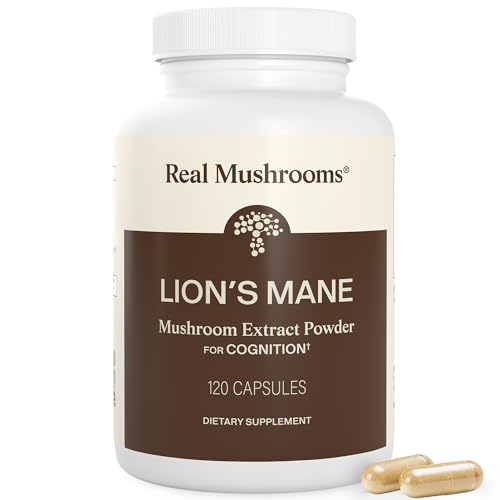
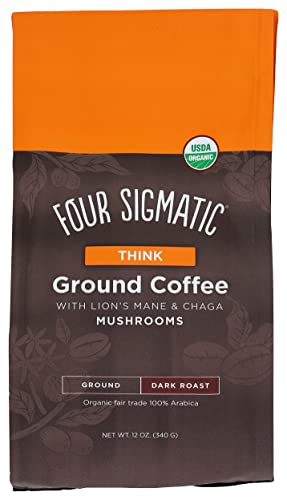
Our top-rated lion's mane
Whatever you decide, these are the lion's mane picks our reviews keep ranking on top. Live price check on each.



As an Amazon Associate we may earn from qualifying purchases, at no cost to you. 21+.